Independent Medical Examination for an Insurance Claim
Facing an independent medical examination for insurance claim purposes? Learn what to expect, how to prepare, and how to protect your accident claim today.
What if the doctor examining you was chosen by the insurer reviewing your claim? An independent medical examination for insurance claim purposes can feel unsettling, especially if you’re unsure who requested it or what the examiner will assess. The name can be misleading: an insurer or another party involved in the claim may select and pay the doctor. The exam is generally intended to assess your condition, not provide treatment.
It’s reasonable to worry about saying the wrong thing or having your symptoms misunderstood. You don’t need to exaggerate or downplay what you’re experiencing. Clear, honest answers can help explain how your injury affects your daily life.
This guide explains why an insurer may request an examination, what may happen during the appointment, and what the exam can and can’t establish. You’ll also learn how to prepare, keep your account accurate, and understand why procedures can vary by claim and location. If you’re unsure how an examination could affect your accident claim, a case evaluation can connect you with an attorney for guidance specific to your situation.
Key Takeaways
- Read the examination notice to identify who requested the independent medical examination for insurance claim purposes and what it is intended to evaluate.
- Expect questions and an assessment focused on the requested issues. The scope can vary by claim and examination.
- Prepare by organizing relevant information and describing your symptoms and daily limitations accurately, without guessing or exaggerating.
- After the appointment, note what happened and raise factual concerns through the appropriate claim contact.
- If you need to understand how the exam could affect your accident claim, an attorney can offer guidance based on your circumstances.
What Is an Independent Medical Examination for an Insurance Claim?
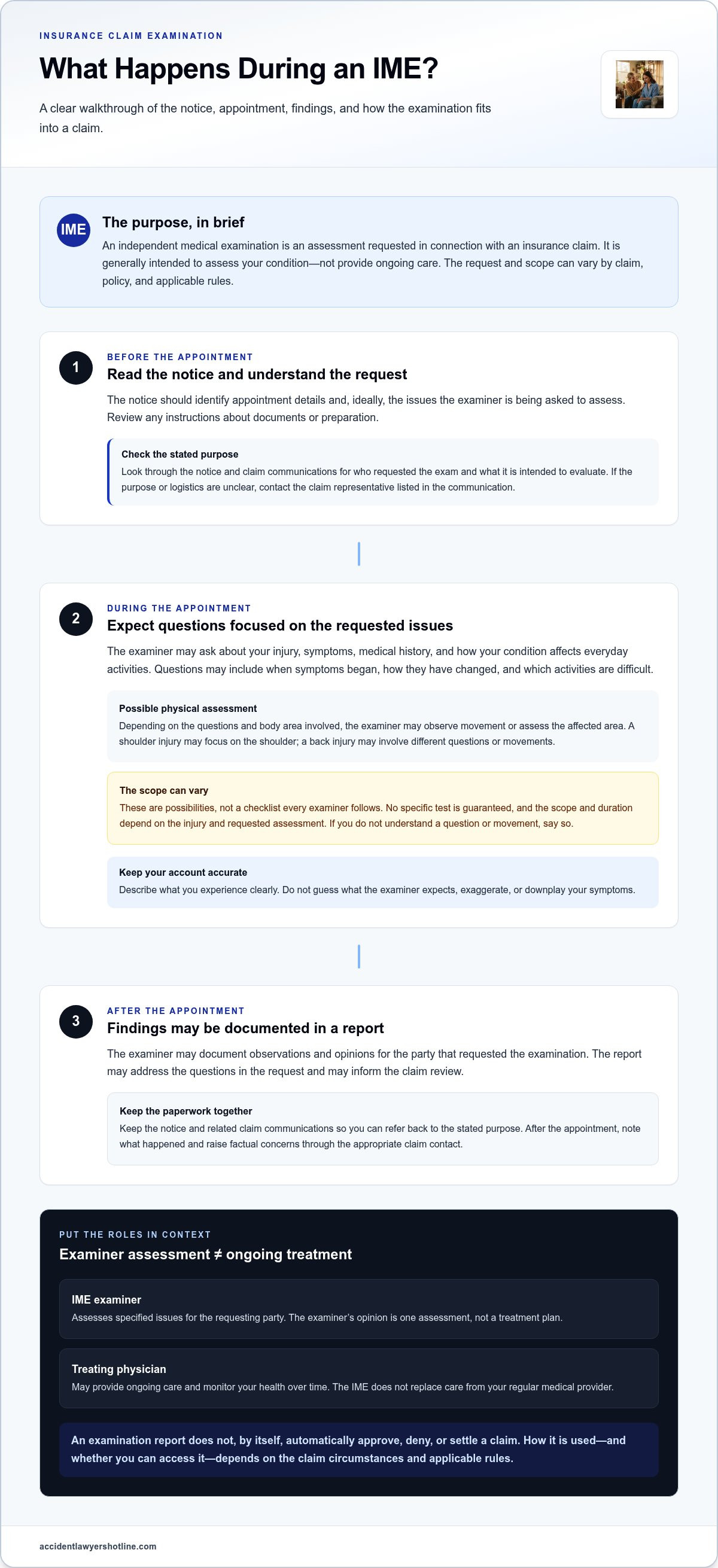
An independent medical examination (IME) is a medical assessment requested in connection with an insurance claim. Who requests it and what the examiner is asked to assess depend on the type of claim, the policy, and applicable rules. An insurer may seek another medical opinion about reported injuries, current symptoms, or how an injury relates to the claim. Review the notice and related claim communications for the stated purpose. If they don’t explain it, ask the claim representative what issues the examination is intended to address.
An IME is generally an assessment, not a source of ongoing care. The examiner may review medical information, ask about your condition, and assess issues relevant to the claim. The appointment doesn’t replace care from your regular medical provider. For a broader overview of the term and its uses, see Independent medical examination.
An IME examiner assesses your condition for the claim; your treating physician provides ongoing care and follows your health over time. Each doctor may have a distinct role. The examiner’s opinion is one assessment, not a treatment plan.
Who requests an IME, and why?
An insurer may request an examination to evaluate injuries you reported or obtain another medical assessment. In a first-party claim, you’re seeking coverage under your own policy, and your insurer may request an exam as part of its review. In a claim involving another party’s insurer, that insurer may seek an assessment related to the injury claim. The process and purpose aren’t identical in every case. Check the request and claim communications for the stated reason and the issues the examiner will consider.
Why does an examination called independent raise questions?
The word “independent” doesn’t, by itself, tell you who selected or pays the examiner, or establish whether the opinion will be neutral or biased. Those details can depend on the claim and applicable rules. Before attending, review the notice, policy information, and other claim documents to understand who arranged the exam and what it is intended to assess. If you’re unsure how the request fits your accident claim, an attorney can provide guidance based on your circumstances.
What Happens During an Independent Medical Examination?
The process usually begins with a notice or request that identifies the appointment details and, ideally, the issues the examiner is being asked to assess. Read it carefully and note any instructions about documents or other preparations. An insurer or another party involved in the claim may arrange the appointment, and the steps can differ depending on the claim, policy, and applicable rules. If the purpose or logistics are unclear, contact the claim representative listed in the communication before the appointment.
At the examination, the examiner may ask about your injury, symptoms, medical history, and how your condition affects everyday activities. Depending on the questions and the body area involved, the examiner may also conduct a physical assessment. For example, an evaluation involving a shoulder injury may focus on that area, while a back injury may involve different questions or movements. These are possibilities, not a checklist every examiner follows. The scope and duration depend on the injury and the requested assessment.
What questions or assessments might the examiner use?
Questions may cover when symptoms began, how they have changed, and which activities are difficult. The examiner may ask about earlier injuries or treatment if those details relate to the assessment. A physical examination might involve observing movement or checking the affected area, but no specific test is guaranteed. If you don’t understand a question or movement, say so. Describe what you experience accurately rather than trying to predict what the examiner expects to hear.
The appointment is one part of an independent medical examination for insurance claim process. The examiner assesses the issues requested. They don’t take over your ongoing care, and the exam itself doesn’t determine the claim.
What happens to the examination findings?
Afterward, the examiner may document observations and opinions in a report for the party that requested the examination. The report may address the questions set out in the request, but how it is used and whether you can access it depend on the claim circumstances and applicable rules. It may inform the claim review. It doesn’t, by itself, automatically approve, deny, or settle a claim.
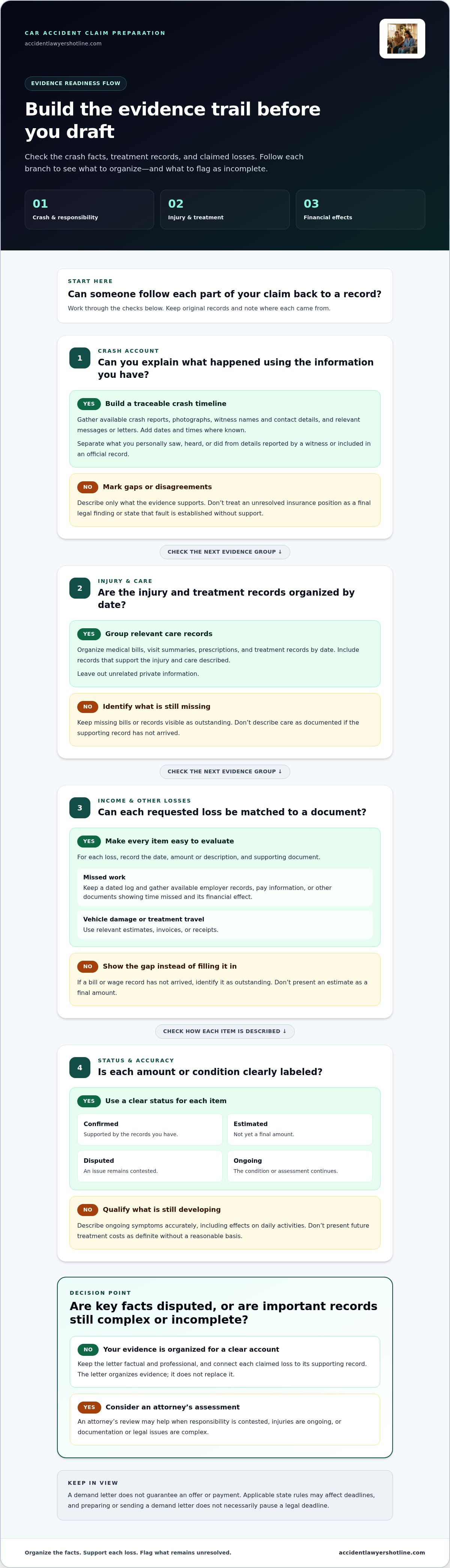
Keep the notice and related claim communications so you can refer back to the stated purpose. If you’re trying to understand how the appointment fits into a motor vehicle accident claim, a motor vehicle accident case evaluation can help you explore your situation and connect with an attorney for individualized guidance.
Is an IME Really Independent, and Can It Affect Your Claim?
The word “independent” can raise a fair question: independent from whom? The label alone doesn’t establish who selected or pays the examiner, or prove that an opinion is either neutral or biased. The examiner’s role is to assess specific issues for the requesting party. Understanding that role can help you put the examination in context without assuming what the report will say.
How is an IME different from a treating physician’s appointment?
The two appointments serve different purposes. A treating physician may provide ongoing care and monitor your health over time. An IME examiner assesses specified questions connected to the claim. This comparison describes typical roles, not a guarantee of what any particular doctor will do.
| Factor | Treating physician | IME examiner |
|---|---|---|
| Purpose | Provides or coordinates care for your health needs. | Assesses issues identified in the examination request. |
| Relationship | May see you over time as part of your care. | Examines you for the requesting party in connection with the claim. |
| Typical role | Tracks symptoms, treatment, and progress where applicable. | Offers an assessment that may inform claim review. |
A treating physician’s familiarity with your care and an examiner’s focused assessment can lead to different perspectives. A difference of opinion doesn’t, by itself, show that either doctor is wrong. The records, the questions asked, and the basis for each opinion all matter.
Can an IME report decide an insurance claim?
An IME report may affect how an insurer reviews a claim, but it shouldn’t be treated as an automatic decision. The insurer may consider it alongside treating records, other medical evidence, policy terms, and the broader claim information. The weight given to each item depends on the circumstances.
An IME is an assessment that may inform a claim decision, not a guaranteed claim decision itself. The effect of an independent medical examination for insurance claim purposes depends on the policy, claim, available evidence, and applicable law. Processes and rights can vary by state and claim type, so general information may not resolve a dispute. If the report conflicts with your treatment records or you’re uncertain about its significance, consider getting case-specific legal guidance.
How Should You Prepare for an Independent Medical Examination?
A little preparation can help you feel more grounded without turning the appointment into a performance. Before an independent medical examination for insurance claim purposes, focus on understanding the instructions and describing your experience accurately. Requirements can vary, so follow the directions for your specific appointment rather than relying on assumptions about what’s allowed.
- Review the notice. Confirm the date, time, location, stated purpose, and any instructions.
- Check what to bring. Follow directions about identification, documents, or other requested items. Don’t assume you can bring extra records or use a recording device without checking the applicable instructions.
- Organize relevant details. If requested or useful, prepare an accurate list of medications, treatments, and providers. Keep it factual and current.
- Confirm logistics. Make sure you know where to go and whom to contact if there’s a scheduling or access issue.
What should you bring or review beforehand?
Use the request as your guide. Review any instructions about identification or documents, and gather information the notice requests or that’s relevant to your medical history. You might jot down treatment or medication names so you can recall them accurately. Don’t guess at dates or details. If an instruction is unclear, ask the claim representative or appointment contact before the exam.
How should you answer questions during the exam?
Answer plainly and truthfully. If you can’t remember a date or don’t know an answer, say so rather than guessing. Describe both better and more difficult days, including how symptoms affect specific activities. If a movement causes discomfort, explain what you feel and don’t force yourself beyond your ability. Accurate detail is more useful than exaggerating or minimizing.
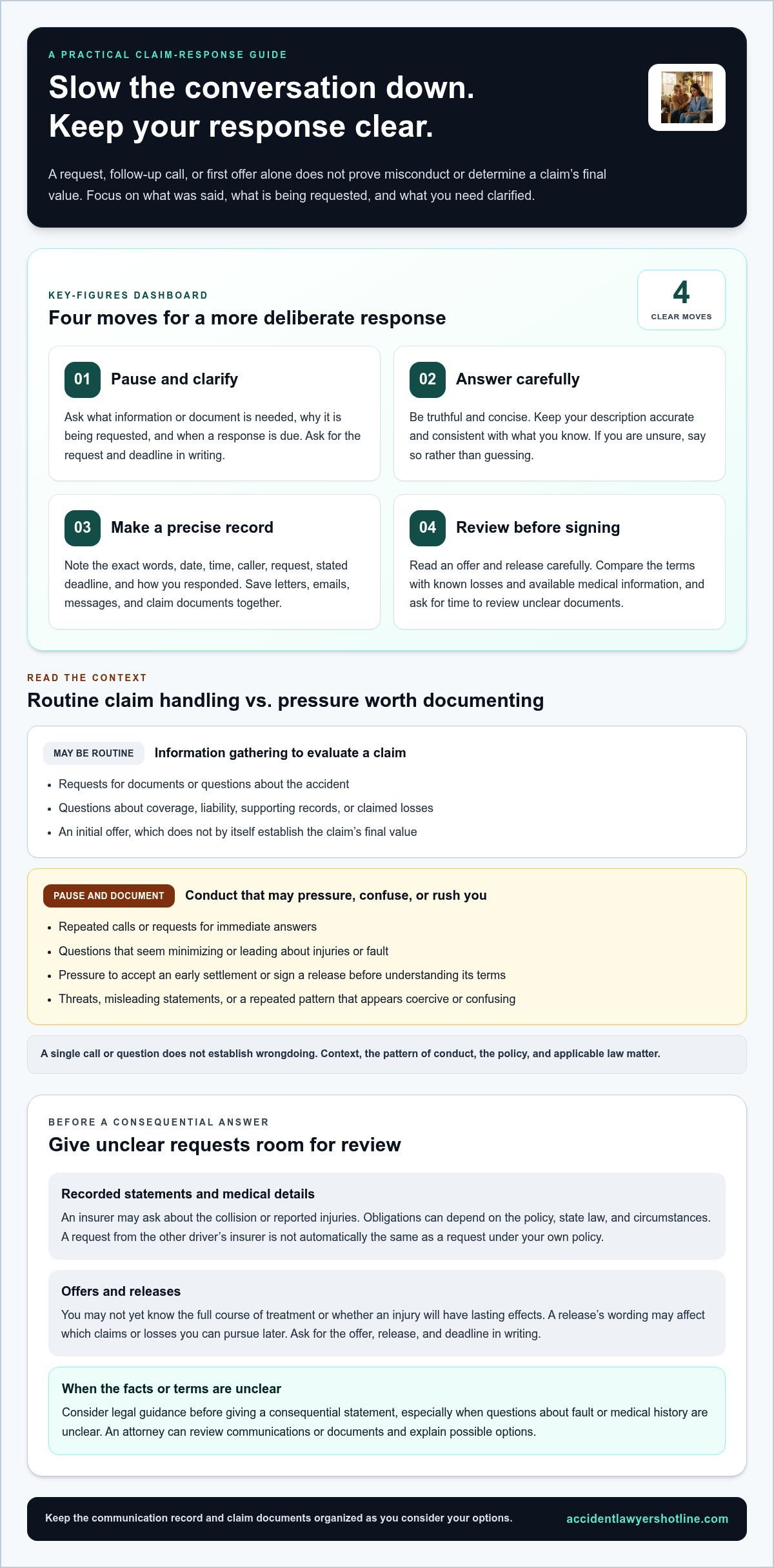
After the appointment, write down when it took place, what topics were discussed, and any concerns about factual details while you still remember them. Follow any instructions about notes, records, or communication. If you need to change or miss the appointment, don’t simply ignore the request. Contact the appropriate claim representative or scheduler promptly and ask about the process. The consequences of missing or cancelling can depend on the policy, claim, and applicable rules, so get case-specific guidance if you’re unsure.
If an examination relates to a motor vehicle injury and you need help understanding how it fits your claim, request a motor vehicle accident case evaluation to explore your situation and connect with an attorney for individualized guidance.
What Should You Do After an IME for an Insurance Claim?
As soon as you can, make a brief record of the appointment while the details are fresh. Note the date, the topics discussed, and anything that seemed factually inaccurate or unclear. Keep your notes factual and save them with the examination notice and other claim communications.
You can ask the insurer or claim representative whether the report is available to you, how to request it, and what the next steps are in the claim review. Access and procedures may depend on the claim and applicable rules. If you receive a report or decision that concerns you, keep a copy and note any response deadlines stated in the communication. Don’t assume the same process applies to every claim.
What if you disagree with the examination or report?
Separate specific factual errors from a difference in medical opinion. For example, a report might state that you described a symptom on the wrong side of your body, or it might reach a conclusion you disagree with. Record the exact concern and identify any supporting information in your records. Preserve relevant messages and documents. A qualified attorney can help you understand how to raise concerns, but no particular result is guaranteed.
When can legal guidance help with an IME?
Consider seeking legal guidance if the examination request is unclear, the report appears inconsistent with other evidence, or the insurer relies on it in a claim decision you’re questioning. An attorney can assess the IME in the context of your accident claim, policy, records, and applicable law. Individual circumstances matter, so general information may not answer what the report means for you.
Accident Lawyers Hotline evaluates motor vehicle accident cases and connects injured people with independent attorneys. It’s a referral platform, not a law firm. The attorneys it connects people with offer legal assistance on a contingency basis, meaning there are no fees unless the case is won. For more information about how attorney payment arrangements work, read this guide to contingency fees.
If an IME has raised concerns about your motor vehicle accident claim, request a case evaluation through Accident Lawyers Hotline to explore your situation and connect with an attorney for individualized guidance.
Take the Next Step With Clear Information
An independent medical examination for insurance claim purposes is one part of a claim review, not automatically the final word. The examiner’s assessment differs from ongoing care, and its weight depends on the policy, evidence, claim, and applicable law.
Review the appointment instructions, describe your symptoms and limitations truthfully, and keep a record of what happened. If a report or claim decision raises questions, ask about next steps and consider guidance tailored to your circumstances. You don’t have to sort through the implications alone.
Accident Lawyers Hotline evaluates car, truck, motorcycle, pedestrian, and bus accident cases and connects injured people with independent attorneys for legal assistance. Request a motor vehicle accident case evaluation to explore your situation and connect with an attorney for individualized guidance.
Frequently Asked Questions
Is an independent medical examination really independent?
The term “independent” doesn’t, by itself, explain who selected or pays the examiner, or prove that the assessment is neutral or biased. The examiner’s role is usually to assess specific issues for the requesting party, while a treating physician may provide ongoing care. Review the examination notice and claim documents to understand who arranged the appointment and what questions the examiner is expected to address.
Can I refuse an IME requested by an insurance company?
Whether you can refuse an IME, and what may follow if you do, depends on the policy, type of claim, and applicable law. Don’t assume that missing or refusing an examination has no effect, but don’t rely on general advice as a substitute for reviewing your own documents. Read the notice, contact the claim representative about your concern, and seek qualified legal guidance before deciding how to respond.
How should I prepare for an insurance IME?
Review the notice for the appointment details, stated purpose, and instructions about identification or documents. Organize relevant treatment and medication information if requested. During the exam, answer clearly and honestly. If you don’t know or can’t recall something, say so instead of guessing. Describe how symptoms affect you on better and harder days, and explain discomfort accurately rather than exaggerating or minimizing it.
Can an IME doctor deny my insurance claim?
No. An IME doctor provides an assessment or opinion; the doctor doesn’t independently issue the insurer’s claim decision. The insurer may consider the report alongside medical records, policy terms, and other claim evidence. How much weight the report receives depends on the circumstances and applicable rules. If the insurer makes a decision you disagree with, review its explanation and consider getting advice specific to your claim.
What if I disagree with the IME report?
Write down the specific concern and distinguish factual errors, such as an incorrect symptom or history detail, from disagreement with the examiner’s medical opinion. Keep relevant claim communications and records. You can ask the insurer or claim representative about report access and available next steps. A qualified attorney can help assess the report in context, but no particular change or outcome is guaranteed.
Were You Injured in an Accident?
Get a free, confidential case evaluation. No upfront fees.
Get Free Case Evaluation