Personal Injury Timeline: Collision to Compensation
Understand the personal injury claim process timeline from crash to compensation. Avoid lowball settlements and learn how long your payout takes. Read now!
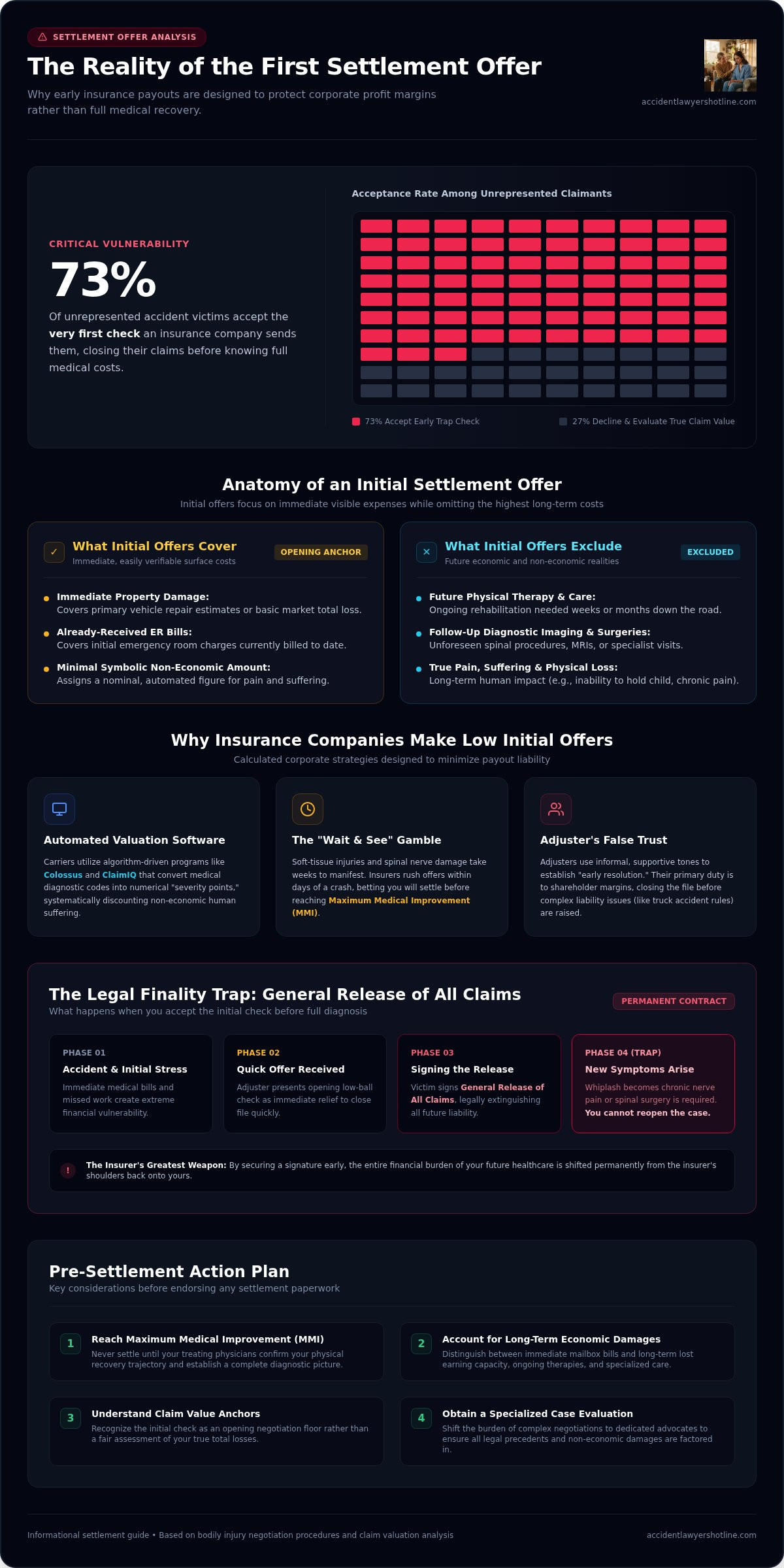
Accepting a quick settlement offer from an insurance company is often the single most expensive mistake an injured person can make. When medical bills mount and you can't work, your primary question is straightforward: how long does a claim take from the crash to a payout? Understanding the personal injury claim process timeline is critical, because cashing an early check before your injuries stabilize permanently caps your financial recovery and forfeits your right to future support.
You're likely frustrated by uncommunicative adjusters and complex procedural jargon while household expenses continue to arrive. It's completely natural to want immediate relief. Discovering the exact timeline of a personal injury claim protects your legal rights, helping you resist pressure to settle before your long-term medical prognosis is fully clear.
Ahead, we break down each phase from the initial investigation and medical milestones to final negotiations, highlighting what delays payouts and how to keep your claim moving forward efficiently.
Key Takeaways
- The personal injury claim process timeline typically spans several months to over a year, dictated largely by medical recovery and case complexity.
- Seeking prompt, consistent medical care establishes an unbroken paper trail, stopping insurers from claiming your injuries were pre-existing or unrelated.
- Reaching Maximum Medical Improvement before submitting a settlement demand ensures all long-term rehabilitation and future care costs are fully calculated.
- Insurance negotiations rarely conclude on the first offer, often requiring multiple counteroffers or civil court litigation to secure fair financial recovery.
- Recognizing insurer delay tactics early helps you protect your legal rights and avoid pressured, lowball payouts.
The Personal Injury Claim Process Timeline at a Glance
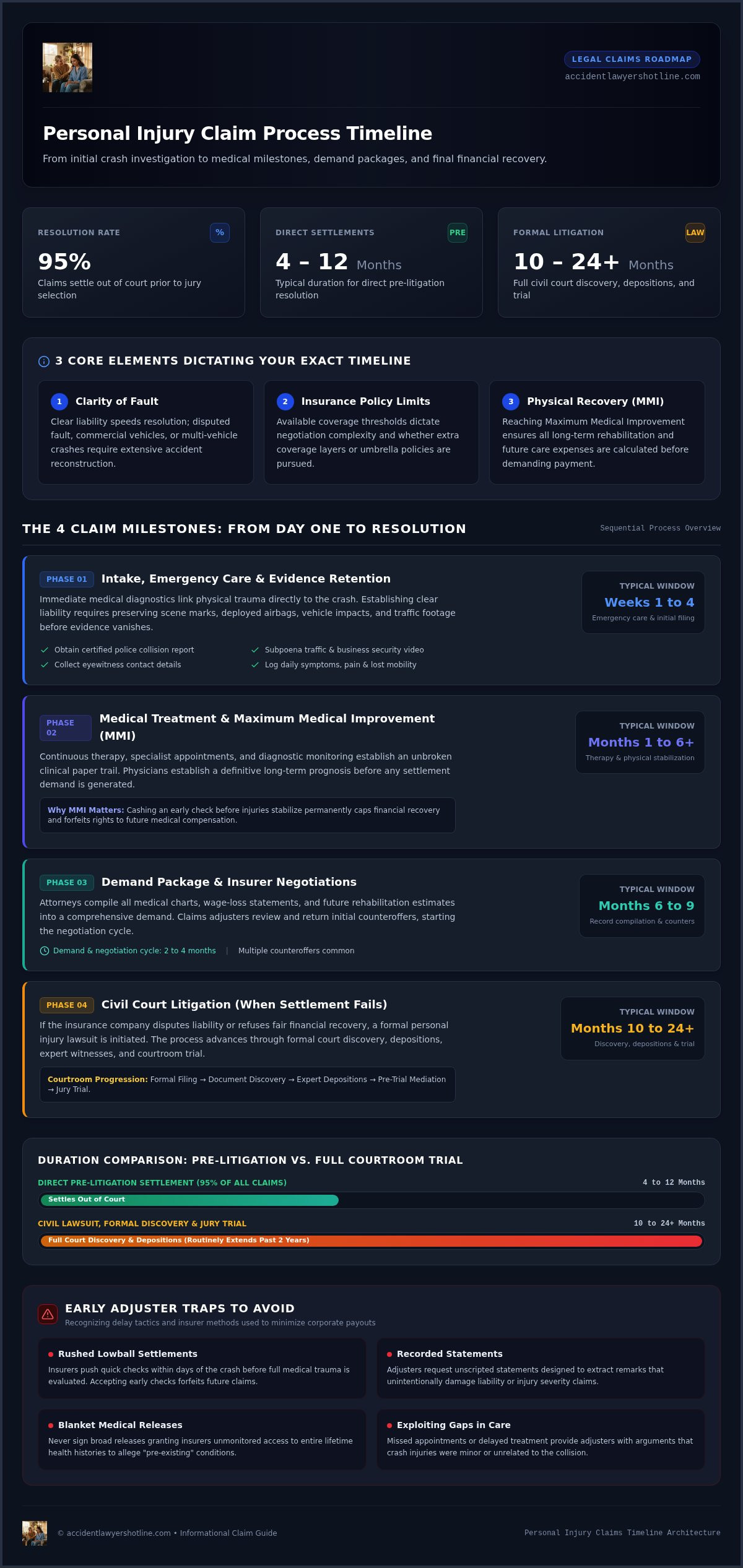
Most standard motor vehicle claims resolve between several months and over a year. Your exact personal injury claim process timeline depends on three critical elements: the clarity of fault, the available insurance policy limits, and your physical recovery. Severe collisions involving commercial trucks or multi-vehicle crashes require extensive accident reconstruction and medical record gathering. Knowing the sequence of milestones helps you resist rushed settlement checks that undervalue long-term pain and physical rehabilitation.
| Stage | Typical Window | Core Focus |
|---|---|---|
| Phase 1: Intake & Care | Weeks 1 to 4 | Emergency care, police reports, and evidence retention. |
| Phase 2: Medical Treatment | Months 1 to 6+ | Therapy, specialist visits, and reaching physical stability. |
| Phase 3: Demand & Negotiation | Months 6 to 9 | Compiling records, sending demands, and insurer counters. |
| Phase 4: Litigation (If Needed) | Months 10 to 24+ | Formal filing, depositions, court discovery, or trial. |
Claim Milestones: From Day One to Final Resolution
Initial actions build the legal foundation during the first few weeks after a crash. You receive emergency medical diagnostics while investigators collect witness accounts, dashcam footage, and collision reports. Medical monitoring continues uninterrupted until your treating physicians establish a definitive prognosis. Once treatment concludes, building a comprehensive demand package and negotiating with claims adjusters typically takes two to four months. If an insurer disputes liability, your attorney initiates formal civil action to protect your recovery rights.
Pre-Litigation Settlement vs. Court Trial Durations
An estimated 95% of claims settle out of court long before a jury is ever selected. Direct settlements reached during pre-litigation discussions generally wrap up within four to twelve months from the crash date. However, when an insurer refuses a fair agreement, filing a formal personal injury lawsuit becomes necessary. Lawsuits entering formal discovery, expert witness depositions, and courtroom trials routinely extend beyond two years. While waiting requires patience, rushing a premature agreement permanently forfeits your legal right to future medical compensation.
Phase 1: Immediate Medical Care and Case Investigation
The initial phase shapes your entire personal injury claim process timeline. Securing immediate medical evaluation links physical bodily trauma directly to the collision. Even minor delays allow insurance adjusters to argue that your injuries stemmed from a pre-existing condition or an unrelated event. Preserving volatile evidence must occur alongside physical stabilization before scene marks wash away, vehicles get scrapped, or surveillance videos are overwritten.
The Critical Role of Prompt Medical Documentation
Emergency room charts and diagnostic imaging provide objective clinical proof of your crash injuries. Follow all physician discharge orders and physical therapy prescriptions diligently. Insurers comb through medical charts searching for missed appointments or care gaps to dispute severity. Keep a daily symptom journal logging pain levels, medication side effects, and lost mobility to support your medical files.
Gathering Early Liability Evidence and Official Reports
Establishing clear liability requires fast, organized investigative footwork:
- Obtain certified copies of the official police collision report.
- Document vehicle impacts, deployed airbags, road conditions, and visible bodily injuries with high-resolution photos.
- Collect contact details from eyewitnesses before they leave the scene.
- Subpoena nearby business security feeds or municipal traffic cameras before footage is permanently erased.
Initiating Free Case Evaluation and Avoiding Adjuster Traps
Claims adjusters often reach out within days, requesting recorded statements or offering rapid settlements before you know your prognosis. Their goal is minimizing corporate payouts. Giving unscripted remarks can unintentionally damage your claim or force unnecessary delays under the formal civil lawsuit process later on. Never sign blanket medical releases that grant insurers unmonitored access to your historical medical background.
You don't have to manage these administrative burdens alone while dealing with physical recovery. Requesting a rapid car accident case evaluation connects you with experienced legal advocates who can insulate you from predatory insurance tactics. You can also learn how contingency representation works so you have dedicated legal support with zero upfront fees.
Phase 2: Maximum Medical Improvement and the Demand Package
The pace of your personal injury claim process timeline shifts dramatically during clinical recovery. While the initial investigation takes weeks, clinical healing dictates the overall schedule. You cannot accurately value a case while active treatment remains ongoing. Sending a demand letter prematurely leaves substantial money on the table if complications surface later. Legal counsel waits until your physicians declare that your physical recovery has reached an objective turning point known as Maximum Medical Improvement (MMI).
Why Reaching Maximum Medical Improvement (MMI) Is Essential
MMI defines the point where a patient's physical condition stabilizes and further significant healing is unlikely, even with ongoing intervention. Reaching this benchmark reveals whether you will endure permanent functional limitations, scarring, or chronic pain. It enables medical experts to project future prescription costs, physical therapy sessions, or revision surgeries. If you settle before reaching MMI, you sign away all legal rights to claim unexpected medical bills that occur down the road.
Compiling Damages: Economic and Non-Economic Calculations
Calculating the true scope of your losses requires an exhaustive financial and personal accounting across three distinct areas:
- Direct Medical Losses: Aggregating past emergency room invoices, surgical bills, prescription receipts, and formal life-care projections for future procedures.
- Income Deprivation: Verifying missed paychecks, depleted sick leave, lost bonuses, and diminished lifetime earning capacity using wage statements and tax filings.
- Non-Economic Trauma: Quantifying intangible losses, including ongoing bodily pain, sleep disruption, emotional distress, and loss of life enjoyment.
Submitting the Formal Settlement Demand Package
Once your damages are fully calculated, your personal injury lawyer drafts and submits a comprehensive demand package. This document contains medical exhibits, collision reconstruction findings, billing ledgers, and physician narrative reports. The demand establishes undeniable liability and presents an itemized figure required to settle the dispute. Most demand packages enforce a strict thirty-day response window to maintain steady momentum and discourage unnecessary insurer stalls. For severe wrecks involving commercial carriers, review our truck accident advocate guide to see how multi-party liability impacts settlement demands.
Phase 3: Settlement Negotiations Versus Civil Court Litigation
Receiving an insurance response marks the definitive crossroads of your case. Adjusters rarely accept opening demands without pushback, kicking off direct financial discussions. The personal injury claim process timeline broadens substantially depending on whether parties reach mutual terms or head toward trial. If an insurer disputes who caused the crash or refuses to cover legitimate medical care, filing a formal legal complaint moves the dispute into the civil court system.
The Negotiation Dance: Counteroffers, Stalling, and Bad Faith
Initial counteroffers are often lowball proposals meant to test your financial endurance while you're out of work. Adjusters intentionally drag out discussions, requesting redundant paperwork or challenging physical therapy necessities to wear you down. Skilled legal negotiators reject these inadequate figures using objective doctor statements, crash scene diagrams, and firm statutory filing deadlines. When an insurer denies an undisputed claim or delays responses without legal justification, they risk bad faith penalties under state insurance laws.
Filing a Lawsuit: The Civil Litigation Roadmap
Litigation formally begins once your attorney files a legal complaint and serves the at-fault driver. This step shifts the calendar from informal claims handling to rigid court deadlines:
- Written Discovery: Exchanging interrogatories, repair estimates, and comprehensive medical histories under oath.
- Oral Depositions: Questioning plaintiffs, defendants, and eyewitnesses on the record with a court reporter present.
- Independent Medical Examinations (IMEs): Undergoing physical evaluation by defense-hired physicians seeking to downplay the impact of your injuries.
Pre-Trial Mediation and Final Trial Proceedings
Most court dockets require parties to attempt pre-trial mediation before setting a trial date. A neutral mediator reviews the evidence, identifies litigation risks for both sides, and works to craft a settlement. If mediation collapses, the lawsuit heads to courtroom trial, involving jury selection, live witness cross-examinations, and verdict deliberations. Severe collisions resulting in catastrophic injuries require aggressive courtroom advocacy; explore our motorcycle accident recovery guide to see how complex crash litigation unfolds.
Facing aggressive defense attorneys and stubborn insurance carriers requires seasoned courtroom guidance. Connect with a dedicated motor vehicle accident attorney to evaluate your options and safeguard your financial recovery through every phase of litigation.
Key Factors That Speed Up or Delay Your Injury Claim Timeline
No two vehicular collisions follow the exact same path. While straightforward claims wrap up relatively quickly, outside variables can abruptly stretch your personal injury claim process timeline. Identifying these friction points early helps you spot bad-faith delay tactics, protect your legal rights, and avoid settling out of desperation.
Primary Variables Influencing Settlement Speed
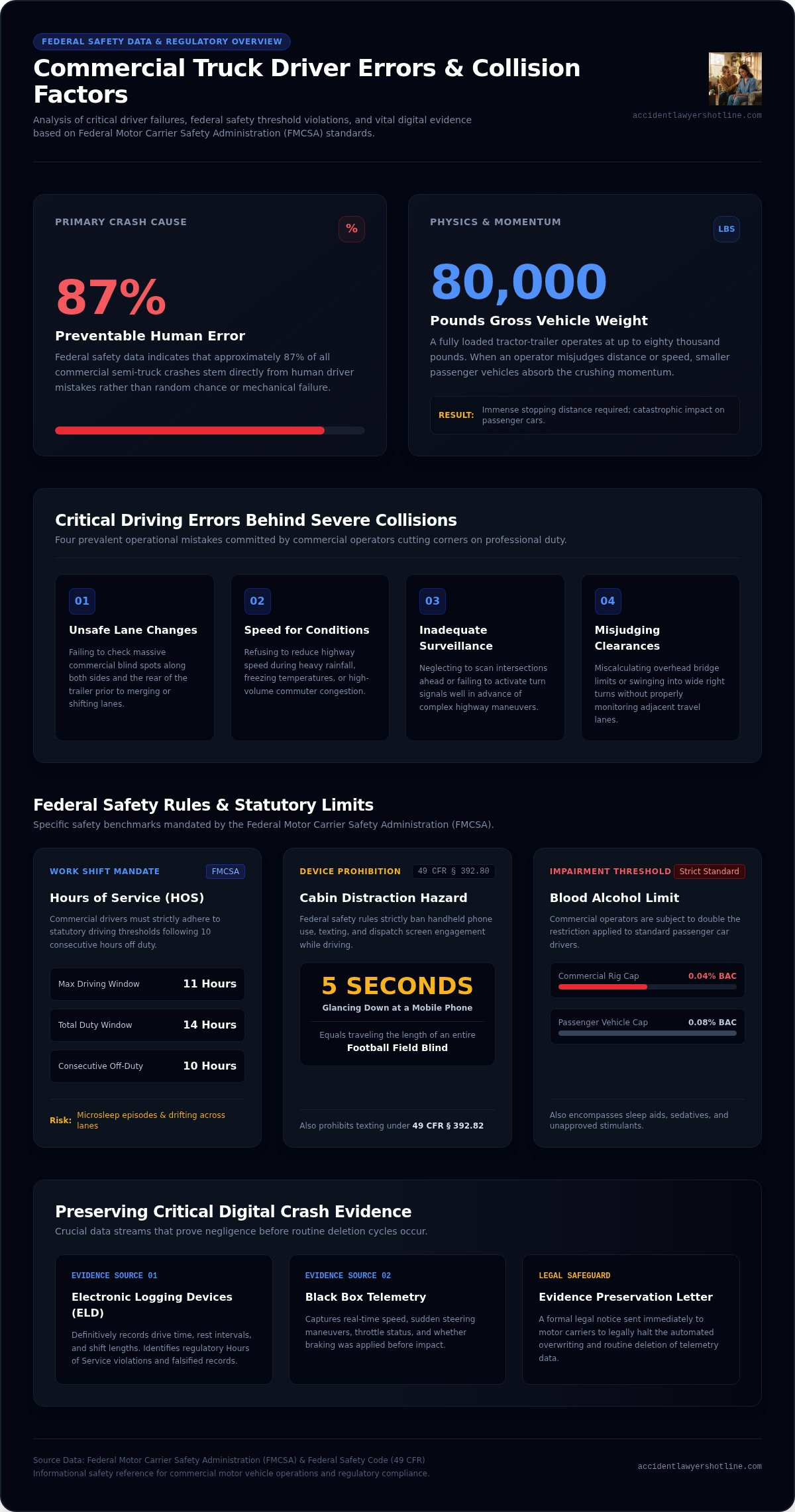
Clear fault leads to faster resolutions. When an at-fault driver's negligence is caught on camera, insurers rarely contest liability. Conversely, whenever responsibility is questioned, proceedings slow down considerably.
- High Policy Limits: Substantial commercial policies trigger rigorous insurance scrutiny and specialized defense teams.
- Multiple Liable Parties: Crashes involving multi-car pileups or freight haulers force rival insurers to argue over proportionate responsibility before paying a single dime.
- Comparative Negligence Disputes: Insurers deliberately delay negotiations if they can allege that you contributed to the crash, using comparative fault rules to slash their financial exposure.
Statutes of Limitations and Legal Deadlines
Every state enforces rigid civil deadlines known as statutes of limitations. Missing this legal cutoff forfeits your legal right to pursue compensation forever. While general deadlines typically span between one and three years, wrecks involving government entities, such as municipal utility trucks or transit buses, enforce administrative notice windows as short as 90 to 180 days. Delaying action places your legal leverage at serious risk.
How Professional Legal Advocacy Accelerates Resolution
Partnering with dedicated legal counsel prevents unnecessary administrative stalling. Seasoned personal injury lawyers organize accident documentation, track down delinquent hospital records, and resolve complex medical lien claims with health plans. They shield you from manipulative adjuster calls, enforce statutory response windows, and keep your personal injury claim process timeline moving toward a fair resolution.
Take control of your recovery today: Request your free case evaluation to connect with experienced legal advocates who handle the administrative burdens while you focus on healing.
Take Control of Your Injury Claim and Secure Your Future
Rushing into an early settlement releases the at-fault driver before your physical trauma is fully understood. Managing your personal injury claim process timeline requires patience, meticulous medical tracking, and waiting until you reach Maximum Medical Improvement. This disciplined approach stops insurers from discounting your legitimate long-term healthcare needs and lost earnings.
You don't have to carry this legal burden alone while focusing on physical recovery. Receive a 24/7 complimentary claim review connecting you with trusted national advocates. Whether you survived a collision involving a passenger vehicle, commercial semi, or motorcycle, our network offers a comprehensive case evaluation tailored to car, truck, and motorcycle collision victims. Network attorneys operate on contingency, meaning there's no fee unless your attorney wins financial compensation for your claim.
Connect with an experienced accident lawyer for a free, no-obligation case evaluation today to safeguard your rights and pursue the fair recovery you deserve.
Frequently Asked Questions
How long does an average personal injury claim take to settle?
Most straightforward motor vehicle injury claims settle within four to twelve months from the incident date. If fault is contested or your physical recovery requires long-term surgery and rehabilitation, the personal injury claim process timeline easily extends beyond a year. Claims requiring formal civil litigation or courtroom jury trials can take up to two years or longer before reaching a final resolution.
Can I settle my car accident claim before finishing medical treatment?
You can settle before finishing treatment, but doing so is a dangerous financial mistake. Once you sign a release and cash the check, you forfeit all legal rights to demand further compensation. Any complications, unexpected surgeries, or ongoing physical therapy costs arising later come entirely out of your own pocket. Always wait until your doctors confirm your condition has stabilized.
What happens if the insurance company delays responding to my demand letter?
Insurers often stall to pressure injury victims into accepting reduced payouts out of financial exhaustion. When an adjuster fails to answer within the standard thirty-day window, legal counsel escalates pressure using formal follow-ups and statutory warnings. Unjustified stalling or refusal to communicate can expose the insurer to severe bad-faith penalties, prompting attorneys to file a civil lawsuit immediately.
Does filing a personal injury lawsuit mean my case will go to trial?
No, filing a lawsuit rarely ends in an actual courtroom trial. In fact, approximately 95% of filed civil personal injury claims settle before trial. Filing a complaint simply introduces court supervision, formal written discovery, and structured pre-trial mediation. These mandatory legal stages often pressure stubborn insurers to offer a fair payout before jury selection begins.
How does reaching Maximum Medical Improvement (MMI) affect my timeline?
Reaching Maximum Medical Improvement directly dictates the overall personal injury claim process timeline. Your legal advocate cannot draft an accurate, complete demand package until your physicians determine whether you have permanent physical restrictions. Waiting for MMI ensures that future medical expenses, permanent impairment ratings, and lasting wage losses are fully accounted for in settlement negotiations.
What is the statute of limitations for filing a personal injury claim?
The statute of limitations sets a strict deadline for initiating a lawsuit, typically ranging between one and three years depending on state law. If your crash involved a municipal transit bus or government vehicle, administrative filing cutoffs can be as short as 90 to 180 days. Missing these legal deadlines permanently bars you from obtaining compensation.
Can I speed up my personal injury claim process without losing money?
You can accelerate your case by attending all medical appointments diligently and maintaining an organized file of crash reports, wage statements, and medical bills. Handing complete documentation to an attorney right away avoids months of administrative delays. You should never try to speed up a claim by cutting treatment short, as premature demands drastically slash your ultimate settlement value.
Were You Injured in an Accident?
Get a free, confidential case evaluation. No upfront fees.
Get Free Case Evaluation