When to Call a Car Accident Hotline: 2026 Guide

Feeling pressured by an insurer? Our 2026 guide reveals when to call a car accident hotline to protect your rights and maximize your claim. Don't get lowballed.
Your insurance adjuster isn't your advocate. They're a professional negotiator for a multi-billion dollar corporation focused on protecting their own bottom line. If you're feeling pressured to sign a quick settlement or struggling to understand who is truly at fault, you're already at a disadvantage. Knowing exactly when to call a car accident hotline is the most effective way to shield yourself from being lowballed while your medical bills continue to climb.
We understand the anxiety that follows a crash. It's difficult to focus on recovery when you're worried about financial stability and complex legal deadlines. You deserve to feel heard and protected during this high-stakes moment. This 2026 guide will teach you how to seek a professional case evaluation to secure your rights and maximize your potential recovery. We'll walk through the specific scenarios that require immediate action, the latest 2026 insurance regulations, and how a risk-free evaluation provides the clarity you need to move forward with confidence. By the end of this article, you'll know how to shift the burden of your case to a capable expert so you can focus on what matters most: your health.
Key Takeaways
- Understand the critical difference between calling 911 for immediate safety and contacting a legal hotline to protect your long-term financial recovery.
- Discover why knowing when to call a car accident hotline, ideally before speaking with an insurance adjuster, prevents common mistakes that devalue your claim.
- Identify high-stakes situations, such as accidents involving commercial trucks or any physical injury, where professional legal guidance is essential.
- Learn how a streamlined intake process quickly determines the viability of your case, providing immediate clarity on your legal standing.
- Explore the "No Fee Unless We Win" model, which ensures you have access to a seasoned car accident attorney without the burden of upfront costs.
Emergency Services vs. Legal Hotlines: Knowing Who to Call First
The moments following a traffic collision are often a blur of adrenaline and confusion. You're forced to make high-stakes decisions while your body is in shock. Understanding the distinct roles of emergency services and legal hotlines is essential for your physical and financial safety. 911 exists to manage immediate life-safety threats. Non-emergency police lines are for documentation. A legal hotline is for your long-term recovery. Knowing exactly when to call a car accident hotline can be the difference between a denied claim and a fair settlement.
It's a common misconception that a police report settles everything. Police officers focus on public safety and traffic flow. They determine if a driver violated the law, but they don't determine civil liability for your medical bills. A citation given to the other driver is helpful evidence, but it doesn't automatically force an insurance company to pay you. Evidence disappears quickly. Skid marks fade, weather conditions change, and witnesses lose their clarity. This is why the "Golden Hour" after an accident is so critical. While the police gather facts for the state, a legal hotline helps you gather facts for your future.
When to Dial 911 Immediately
Life safety is the only priority in the first seconds after a crash. Dial 911 immediately if there are any injuries, blocked traffic, or leaking fluids. You need a formal police report to file a successful insurance claim later. Even if the damage seems minor, don't "settle it privately" on the side of the road. People often realize they're injured only after their adrenaline levels drop hours later. Without a police report, you lose a neutral third-party account of the scene, making it much harder to prove your case.
The Role of a Car Accident Case Evaluation Hotline
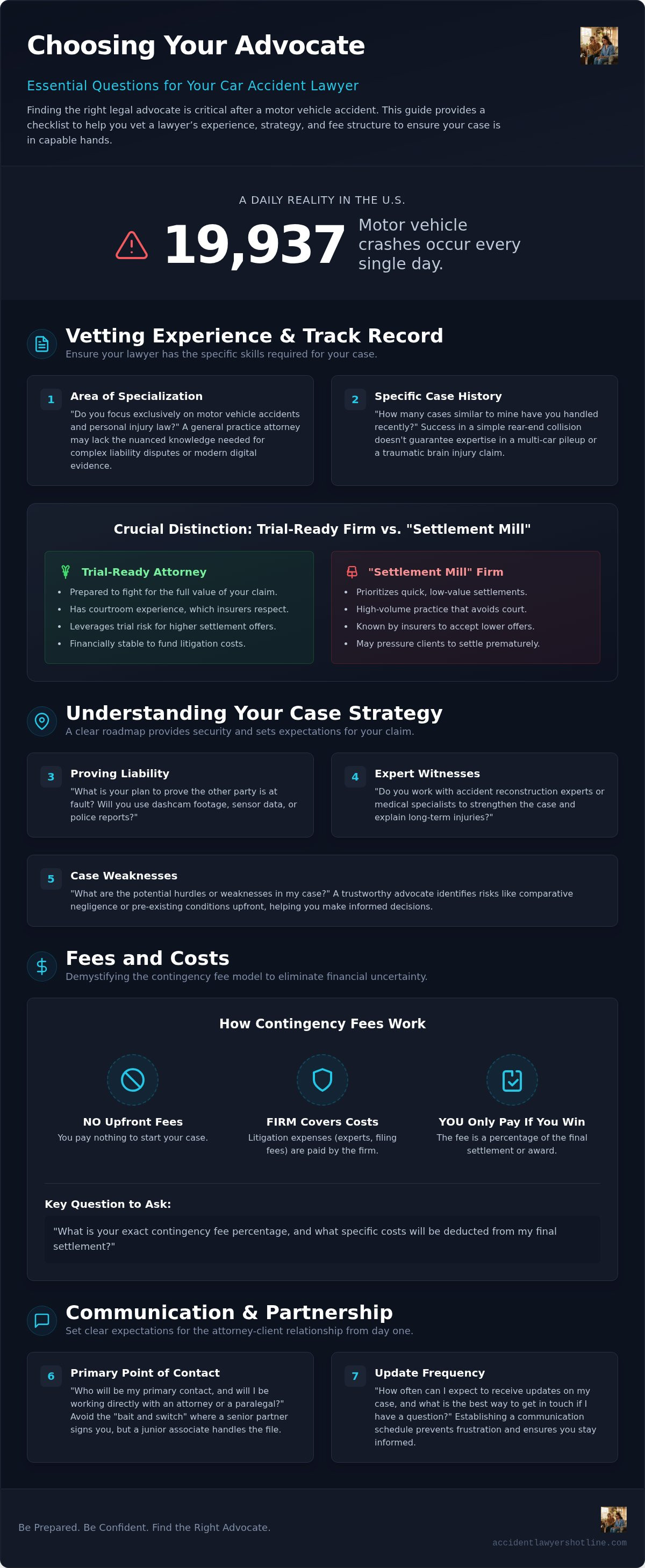
A legal hotline acts as a protective buffer between you and aggressive insurance adjusters. These adjusters often call within hours to secure a recorded statement before you've had a chance to speak with an expert. Determining when to call a car accident hotline is simple: call as soon as you are medically stable. The hotline provides a professional case evaluation to see if your situation meets the criteria for a personal injury claim. It's important to remember that these hotlines are often referral services. They use specialized knowledge to screen your case and connect you with a seasoned car accident attorney who works on a contingency basis. This ensures you aren't navigating the complex legal system alone while you're trying to heal.
Why You Should Call a Legal Hotline Before Your Insurance Adjuster
Your insurance company is a business. Their primary goal is to close your file quickly for the lowest possible amount. While your insurance agent is the person who sold you the policy, the insurance adjuster is the professional hired to protect the company's assets. These roles are very different. The adjuster's job is to find reasons to devalue your claim. Knowing exactly when to call a car accident hotline allows you to build a shield before you ever pick up the phone to speak with the insurance company.
Adjusters often call within hours of a crash to request a recorded statement. They may sound friendly and helpful, but this is a strategic trap. They are looking for inconsistencies or admissions of fault that can be used against you later. Following the National Highway Safety Administration's guidelines on What To Do If You Are In a Crash is vital for safety, but legal protection starts with silence toward the adjuster. A hotline helps you prepare the facts before you officially file, ensuring your words don't accidentally undermine your future recovery.
The phrase "I'm fine" can be the most expensive mistake you make after a collision. In the shock of a crash, adrenaline masks pain. If you tell an adjuster you aren't hurt and then discover a herniated disc two days later, the insurance company will use your initial statement to deny your medical costs. Knowing when to call a car accident hotline is crucial in this window. You need to understand your rights before you create a permanent record of your condition that might be inaccurate.
Protecting Your Rights from Day One
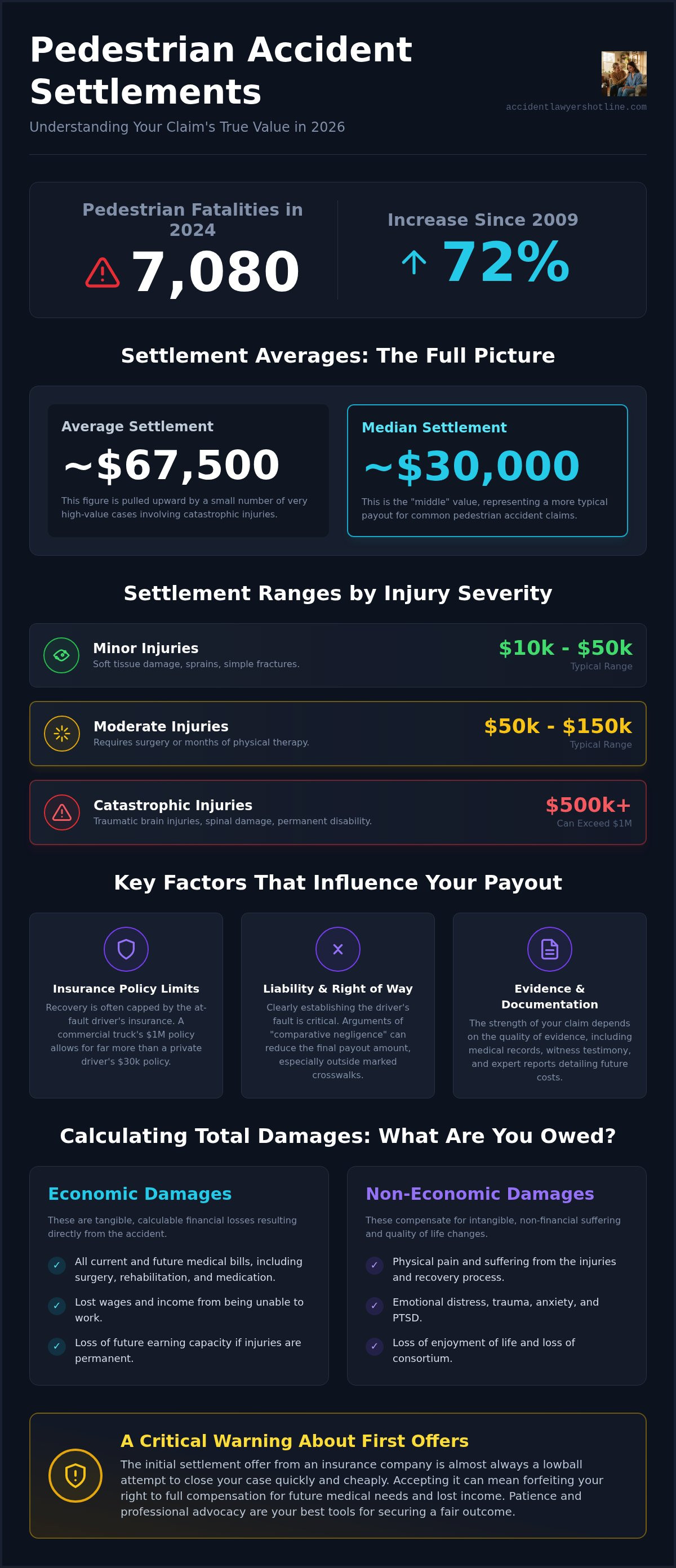
Early settlement offers are designed to save the insurance company money. These offers usually cover immediate vehicle repairs but ignore long-term medical needs like physical therapy or future surgeries. A professional evaluation identifies these hidden costs. Expert advocates ensure that both your physical injuries and your vehicle's diminished value are evaluated fairly. If you're feeling pressured, a car accident case evaluation can help you determine the true value of your claim.
Navigating Communication with Third Parties
You are not required to speak with the other driver's insurance company. In fact, doing so is highly risky. A legal representative can handle all third-party communication for you. A hotline provides immediate scripts for talking to adjusters. This helps you avoid common pitfalls in the first 24 hours. By directing all inquiries to a professional, you remove the stress of negotiation and protect yourself from aggressive tactics.
5 Critical Scenarios That Require a Professional Case Evaluation
Deciding when to call a car accident hotline often depends on the specific details of your collision. While a minor fender bender might seem straightforward, certain variables introduce legal complexities that you shouldn't handle alone. In 2026, navigating these hurdles requires specialized knowledge to ensure you aren't left paying for someone else's mistake. If your situation matches any of the following scenarios, immediate professional evaluation is the only way to protect your future.
- Physical Injury: You should seek an evaluation for any accident involving physical pain, even if it feels minor at first. Latent injuries like whiplash or internal bruising may not show symptoms for days.
- Commercial Vehicles: Accidents involving delivery vans, semi-trucks, or city buses are never simple. These involve corporate insurance policies and federal regulations.
- Disputed Fault: If the other driver is blaming you, or if the police report is unclear, you need an advocate to reconstruct the facts.
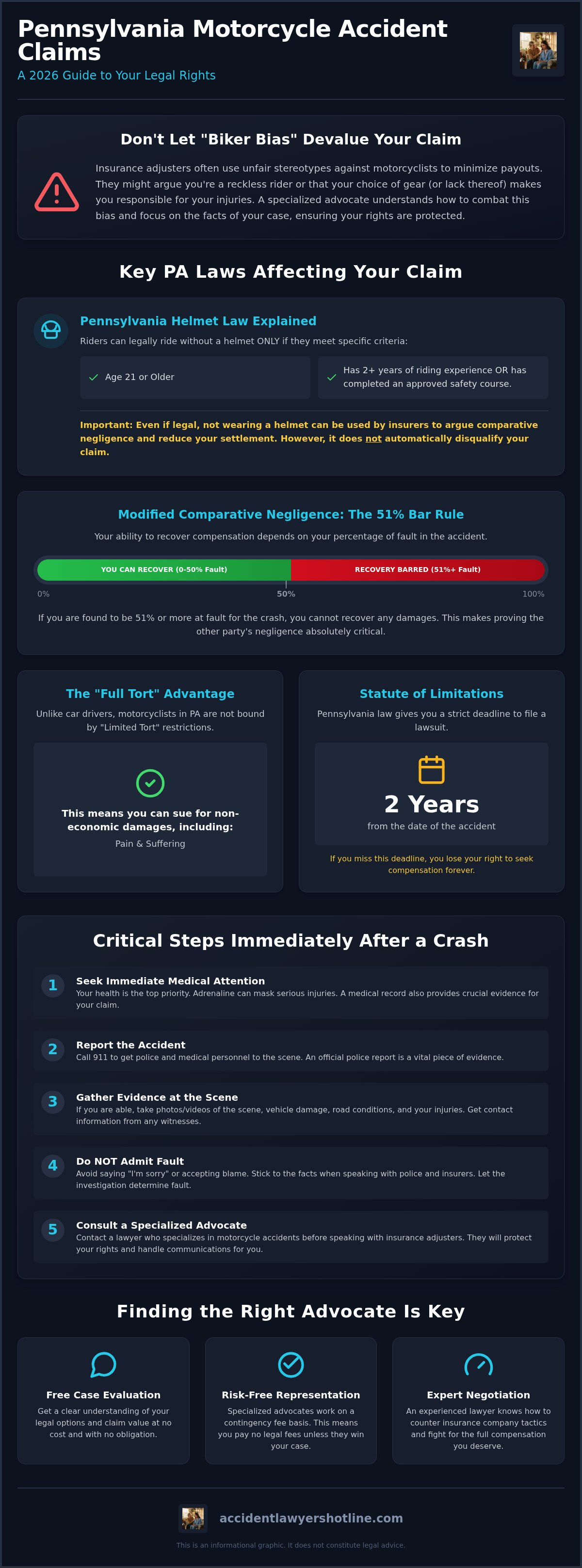
- Vulnerable Road Users: Incidents involving pedestrians, cyclists, or motorcycles often result in severe injuries and high medical costs.
- Uninsured or Underinsured Drivers: As of January 1, 2026, while minimum liability limits have increased in some areas, many drivers still carry insufficient coverage. If the at-fault party can't pay, you need to know how to access your own policy's benefits.
A professional car accident case evaluation is designed to identify these risks early. It provides a clear path forward without the stress of upfront costs.
The Complexity of Commercial and Truck Accidents
Collisions with commercial vehicles are fundamentally different from passenger car accidents. These cases involve multiple layers of corporate liability, from the driver to the maintenance company and the cargo loader. You need a specialized truck accident lawyer to secure critical evidence before it's deleted. This includes "black box" electronic data and federally mandated driver logs. Without this specialized truck accident case evaluation, corporate legal teams may quickly devalue your claim by burying the facts in complex paperwork.
Disputed Fault and Comparative Negligence
What happens when both drivers claim the other had the red light? In many states, comparative negligence laws determine your recovery based on your percentage of fault. If you are found even partially responsible, your settlement could be slashed. Legal experts use accident reconstructionists to analyze skid marks, vehicle damage patterns, and traffic camera footage to prove liability. A seasoned personal injury lawyer ensures that your side of the story is backed by forensic evidence, protecting your recovery even in high-dispute situations. Remember that accidents resulting in injury or significant property damage should always be reported to law enforcement. This report is a crucial foundation for your dispute.
What to Expect During Your Car Accident Hotline Call
Making the decision of when to call a car accident hotline is the first step toward reclaiming control over your life. Once you pick up the phone, the process is designed to be streamlined and stress-free. You won't be met with cold, institutional questions. Instead, you'll speak with a facilitator who understands the distress you're facing. The goal of this initial intake is to gather the essential facts of the collision and your injuries. This conversation is the foundation of your recovery strategy.
During the screening process, the specialist evaluates your situation to determine if there is a viable legal claim. They look at factors like liability, insurance coverage, and the severity of your damages. This isn't a complex interrogation. It's a methodical review to ensure you receive the specialized help you need. If your case is viable, the matching phase begins. You'll be connected with a professional, such as a motor vehicle accident attorney, who has specific expertise in your type of crash. Whether it was a motorcycle collision or a pedestrian accident, the referral process ensures your advocate is a seasoned expert in that field.
The transition from an evaluation to active representation is seamless. Once matched, your attorney takes over all communication with insurance adjusters. This shift immediately removes the burden of the legal process from your shoulders. You can finally focus on your medical recovery while an expert handles the high-stakes negotiations. To begin this journey, you can request your car accident case evaluation today.
Information You Should Have Ready
To make your intake as efficient as possible, try to have specific details available. Having this data ready allows the specialist to provide a more accurate assessment of your legal standing. Don't worry if you're missing some information; the priority is getting you the support you need.
- Incident Details: The exact date, time, and location of the crash.
- Official Documentation: The police report number and contact information for other drivers.
- Medical Status: A brief summary of any treatments you've already received or have scheduled for the near future.
The Privacy and Confidentiality of Your Evaluation
Your privacy is a top priority throughout this process. The initial call is a secure and private consultation. Your information is handled with the highest level of professional specialized knowledge. This is a "no-pressure" environment. The referral service's only objective is to find the best legal match for your specific needs. Your data is never sold to third parties; it's used strictly to facilitate your connection with a compassionate advocate who can fight for the fairness you deserve. Understanding when to call a car accident hotline means knowing that your first step is protected by strict confidentiality standards.
Removing Financial Barriers: The 'No Fee Unless We Win' Model
Are you hesitating to seek help because you fear high legal bills? Many victims believe they can't afford a professional advocate. This misconception often leads to individuals accepting lowball offers from insurance companies. Determining when to call a car accident hotline shouldn't be a financial decision. The "no fee unless we win" model removes the barrier between you and the compensation you deserve. It ensures that your access to justice isn't limited by your current bank balance.
This approach, known as a contingency fee agreement, aligns your attorney's goals with your own. You pay nothing upfront to begin the process. Your legal representative only receives a fee if they successfully secure a settlement or court award for you. This structure provides a risk-free way to evaluate your case and protects you from the stress of hourly billing. Even if you believe your crash was minor, a professional evaluation ensures you don't overlook long-term medical needs that could become expensive later.
Waiting to call can be your most expensive mistake. Evidence like dashcam footage, skid marks, or witness memory fades quickly. Additionally, legal deadlines are strict and vary by state. For example, as of July 2026, Florida's statute of limitations for car accidents is just two years. Other states like Kentucky and Tennessee have even shorter one-year deadlines. If you miss these windows, your right to recover is lost forever. Knowing when to call a car accident hotline means calling as soon as you're medically stable to preserve your rights.
How Contingency Fees Work for Accident Victims
In a contingency model, legal fees are a set percentage of the final recovery. In 2026, the industry standard is typically 33.3% for cases settled before a lawsuit, often increasing to 40% if the case proceeds to litigation or trial. This allows you to hire a seasoned car accident lawyer without any out-of-pocket costs. If the case does not result in a recovery, you generally owe no legal fees to the attorney. This system is designed to provide a "calm in the storm," allowing you to focus on healing while an expert handles the financial high stakes.
Start Your National Case Evaluation Today
The Accident Lawyers Hotline referral process is designed for speed and simplicity. Our national reach ensures you're matched with a no fee unless we win your case attorney who specializes in your specific accident type. Whether you were in a motorcycle crash or a collision with a commercial truck, we bridge the gap between your crisis and a professional resolution. Don't let the insurance company dictate the value of your future. Take the first step toward restoring balance today.
Secure Your Recovery and Reclaim Control
The window for protecting your legal rights is narrow. You've learned that acting quickly prevents insurance companies from devaluing your claim and ensures critical evidence isn't lost. Whether you were involved in a minor collision or a high-stakes commercial truck accident, professional guidance is your best defense against rising medical bills and aggressive adjusters. Understanding exactly when to call a car accident hotline allows you to shift the burden of your case to a capable expert while you focus on healing.
You don't have to navigate this complex process alone or worry about upfront legal costs. Our national network of experienced personal injury attorneys operates on a contingency basis; there is no fee unless your case is won. We provide comprehensive evaluations for car, truck, and motorcycle accidents to ensure every victim has access to fairness. Don't wait for an insurance company to dictate the value of your injuries. You deserve a seasoned advocate who will fight for the full recovery you're owed.
Start Your Free Case Evaluation with Accident Lawyers Hotline today. Take the first step toward restoring balance and securing your financial future with confidence.
Frequently Asked Questions
Is it worth calling a car accident hotline for a minor fender bender?
Yes, it is absolutely worth calling for a minor accident. Injuries such as whiplash or soft tissue damage often take days to manifest. A professional evaluation ensures you don't sign away your rights before you know the full extent of your medical needs. Even small collisions can result in thousands of dollars in hidden vehicle damage that an insurance company might try to ignore.
How long do I have to call a hotline after a motor vehicle accident?
You should call as soon as you are medically stable. While you technically have until the statute of limitations expires, waiting is risky. In 2026, states like Florida allow two years; while others like Tennessee allow only one year. Calling early preserves evidence and witness statements. Knowing when to call a car accident hotline is key to ensuring you don't miss these critical legal deadlines.
Do I have to pay anything to use the Accident Lawyers Hotline?
No, you do not pay anything for the initial evaluation or referral. The service is designed to be entirely risk-free for victims. If you are matched with an attorney, they operate on a contingency basis. This means they only receive a fee if they win your case. You face no upfront costs or hourly fees while seeking the compensation you deserve.
What if the police report says the accident was my fault?
A police report is an important piece of evidence, but it is not the final word on civil liability. Officers make determinations based on traffic laws, while civil cases look at broader negligence. Even if you are partially at fault, many states follow comparative negligence rules. This allows you to still recover a portion of your damages. An expert evaluation can help reconstruct the facts in your favor.
Can I call a hotline if I was a passenger in the car accident?
Yes, passengers have the same rights to compensation as drivers. If you were injured while riding in a vehicle, you can seek a case evaluation regardless of which driver was at fault. Passengers are rarely responsible for the collision, making these claims very strong. A hotline helps you identify which insurance policies are available to cover your medical bills and lost wages.
Will calling a legal hotline affect my insurance rates?
No, simply calling a legal hotline will not affect your insurance rates. Your premiums are typically impacted by the accident itself or the filing of a claim. The hotline is a private resource for information and evaluation. It provides a secure way to understand your options without notifying your insurance provider or triggering a rate increase.
What is the difference between a car accident lawyer and a personal injury lawyer?
A car accident lawyer is a specialized type of personal injury lawyer. While all car accident attorneys handle personal injury, not all personal injury lawyers specialize in motor vehicle collisions. Choosing a specialist ensures your advocate understands specific traffic laws, commercial trucking regulations, and the nuances of auto insurance policies. This specialized knowledge is critical for maximizing your potential recovery.
What happens if I already started talking to the insurance company?
It is not too late to seek help even if you have already spoken with an adjuster. However, you should stop providing recorded statements immediately. Knowing when to call a car accident hotline is just as important after communication has started. A professional can review what you've already shared and step in to protect you from further aggressive tactics or lowball settlement offers.
Were You Injured in an Accident?
Get a free, confidential case evaluation. No upfront fees.
Get Free Case Evaluation