How to Prove Future Medical Expenses and Project Their Cost
Learn how to prove future medical expenses with medical records, care plans, written estimates, and cost projections that clearly support your injury claim.
A future-care estimate needs more than a projected dollar amount. To understand how to prove future medical expenses, connect the injury to the treatment still needed, then support the expected frequency and cost with medical records, written estimates, and sound economic assumptions. The clearer that connection, the easier it is to explain why the expenses belong in a claim.
It’s understandable to worry that care you haven’t received yet will be difficult to document. The key is to show how the injury affects your future needs, whether that means continued therapy, medication, surgery, assistive equipment, or long-term support. Current treatment records and bills can establish a baseline, while medical assessments and detailed projections can explain what may come next.
This article explains what evidence can support future care, how a life care plan can organize treatment and costs, and why assumptions such as care duration and inflation matter. You’ll also learn how to present projections clearly, so the claim reflects the care your injury may require instead of relying on unexplained estimates.
Key Takeaways
- Link each projected treatment to the injury and explain why it is medically necessary.
- Use records of current care and written estimates to show the type, frequency, and expected cost of future treatment.
- Organize ongoing care, equipment, medication, and home needs into a timeline so projected expenses are easier to understand.
- Account for how long care may continue and how healthcare costs may change over time when building a cost projection.
- Include relevant vision, hearing, dental, and prescription needs when they stem from the injury and are supported by evidence.
Handling ongoing treatment and unscheduled care
Future care may continue after initial treatment ends. It can include physical therapy, surgery, prescription medication, assistive devices, or long-term care for a permanent injury. To show why each item belongs in a claim, connect it to the injury and treatment already received. Medical records can document the diagnosis, treatment history, symptoms, and anticipated care. For example, notes describing limited movement and a continuing therapy plan can help explain why rehabilitation may remain necessary.
Unscheduled care can be harder to project because its timing may depend on symptoms or complications. A medical professional’s assessment can explain what future care may be needed, why it relates to the injury, and what circumstances could trigger it. Written estimates are more useful when they identify the treatment, expected frequency, and associated costs. Bills and receipts for current care provide a baseline, while records of treatment changes help show how needs develop.
Does proving future medical expenses require a doctor’s opinion that treatment is reasonably necessary? A treating clinician’s documented recommendation can support the medical purpose of proposed care and its connection to the injury. Expert review may also assess future treatment needs and estimate costs. The evidence should explain why care is anticipated, not simply list possible services.
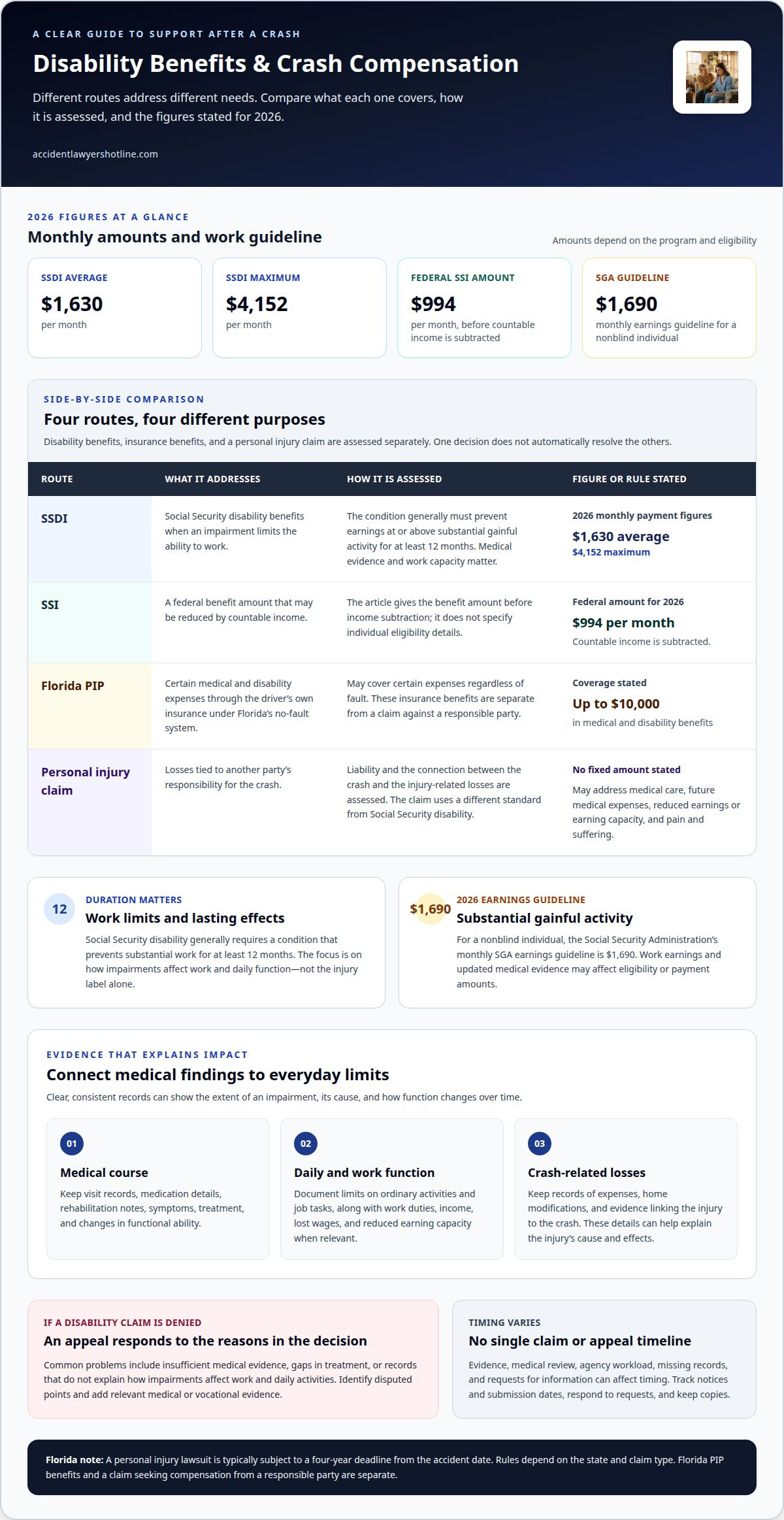
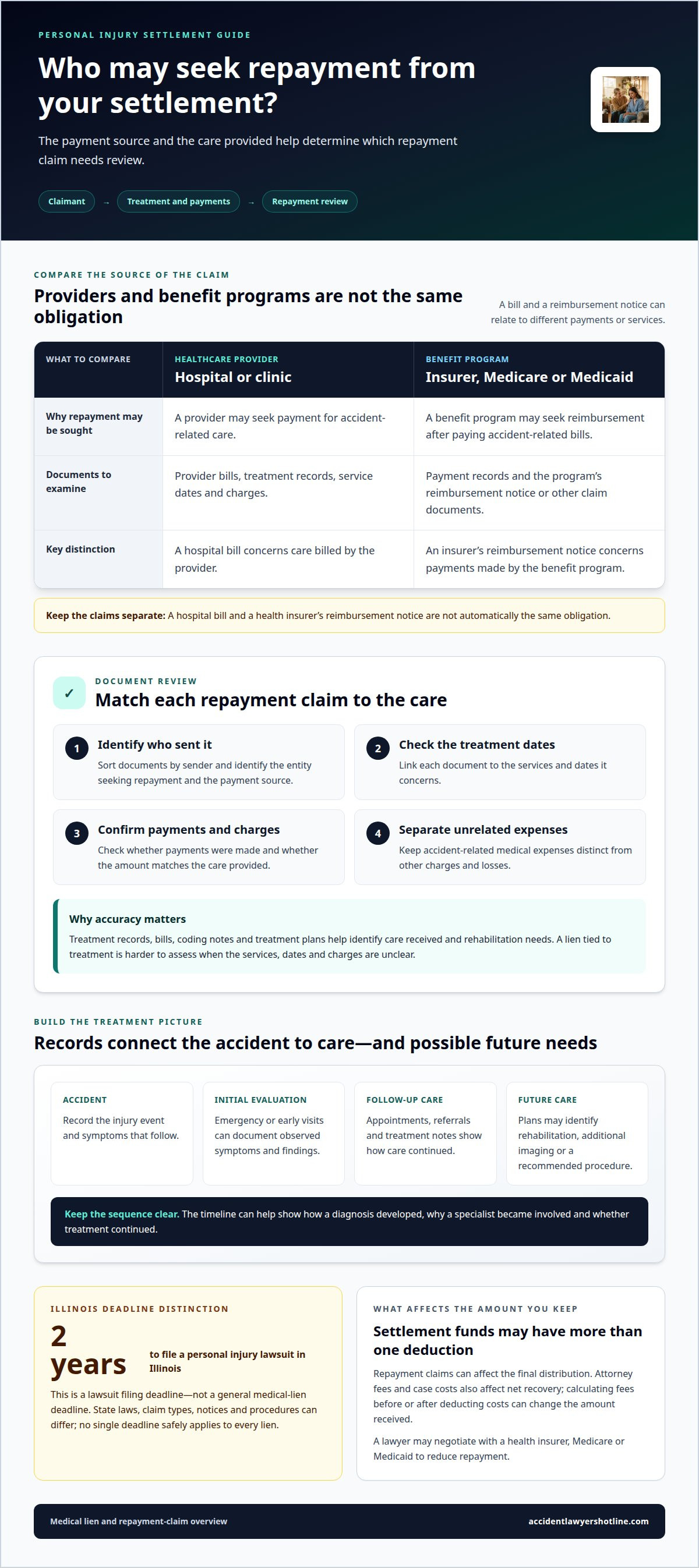
State laws differ in the standards and evidence used to prove future medical damages. The governing rules depend on where the claim is brought, but records connecting the injury to anticipated care remain important. Health insurance payments, coverage, and liens can also affect the claim’s accounting. Payment records identify amounts already covered; reimbursement claims or liens may affect how funds are distributed. Keep bills, benefit statements, and lien notices together so each expense and payment can be traced.
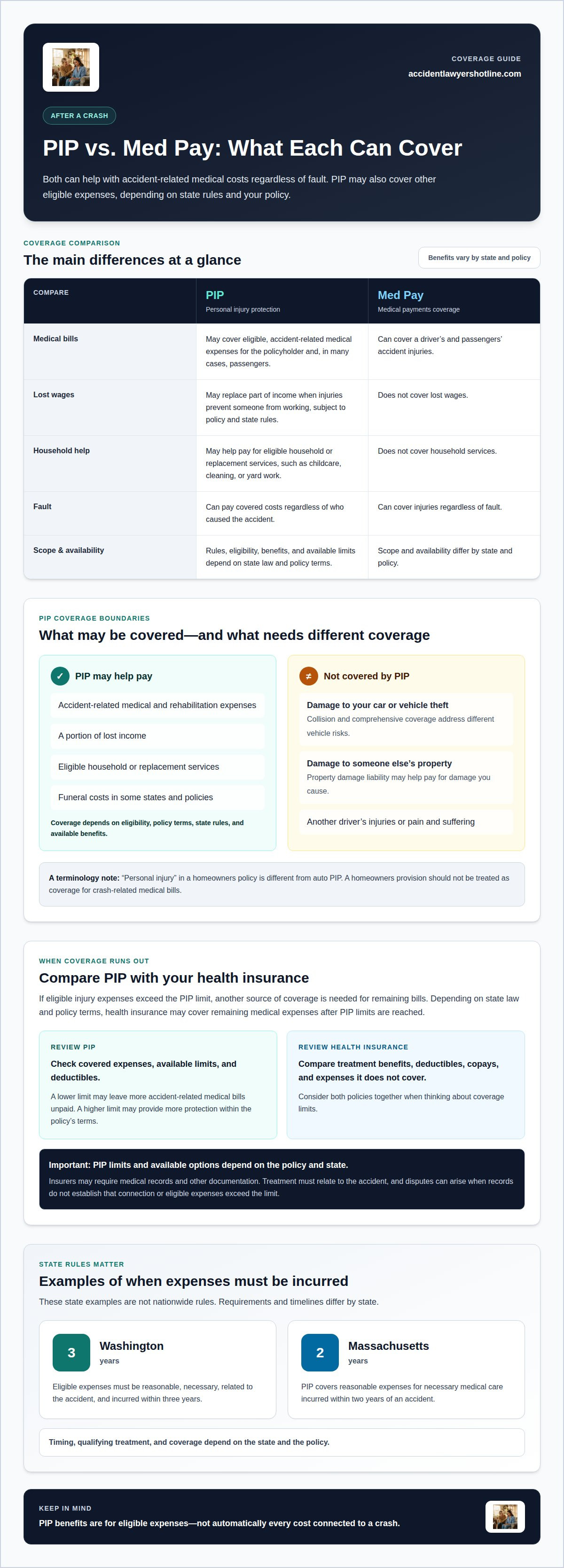
Long-term care expenses and insurance premiums require careful separation. Long-term care insurance premiums may qualify as medical expenses for federal tax purposes, subject to dollar limits based on the insured person’s age. That tax treatment is distinct from whether a care expense belongs in an injury claim. Document health insurance and long-term care premiums separately from treatment bills, with records showing who paid and whether anyone reimbursed the cost.
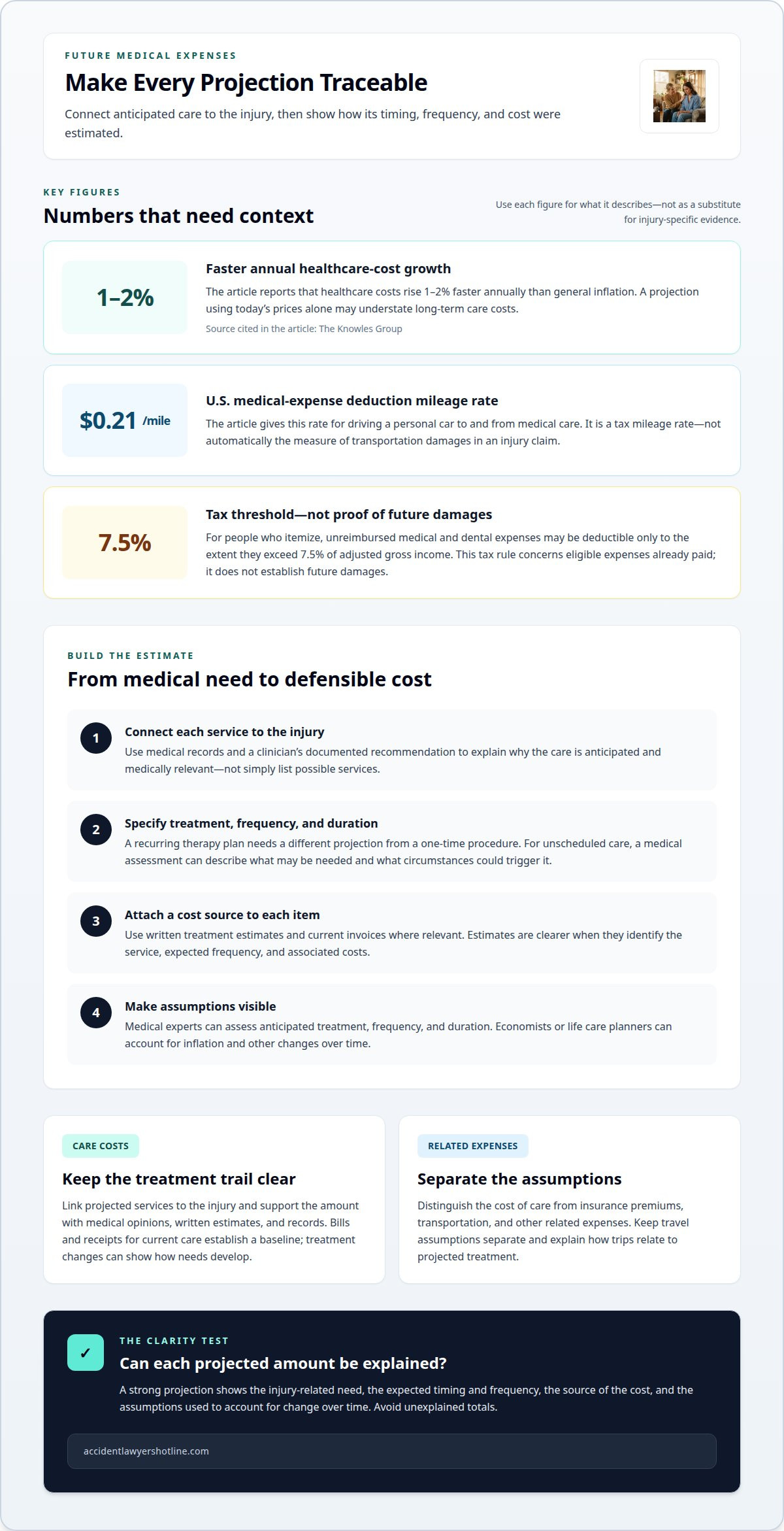
For federal income taxes, people who itemize may deduct unreimbursed medical and dental expenses only to the extent they exceed 7.5% of adjusted gross income. This tax rule does not itself establish future damages. Its purpose is different: it concerns eligible expenses already paid. To evaluate a future-care claim, focus on the injury-related need, supporting medical opinion, expected timing, and cost documentation. Those details help distinguish necessary projected care from a general estimate.
Inflation and projected medical costs
A projection should explain how future treatment costs may change over time. It should also distinguish the cost of care from insurance premiums, travel, and other related expenses.
Inflation in Future Cost Projections
Medical inflation means that healthcare prices can rise over time, changing the future dollar amount needed for the same care. The Knowles Group explains that healthcare costs rise 1-2% faster annually than general inflation. Economists and life care planners can account for inflation, medical technology changes, and ongoing therapy needs. This matters because a projection using today’s prices alone may understate long-term care costs.
Sources for Future Medical Costs
Cost sources are records that support the projected amount for each treatment or service. Create a clear trail from anticipated care to its estimated price, using written treatment estimates and current invoices where relevant. An estimate should identify the care, its frequency, and associated costs. Courts may reject evidence that leaves those details unclear or gives amounts without explaining their connection to the injury.
Medical experts estimate future care costs by reviewing records, identifying anticipated treatment, and assessing its frequency and duration. They can estimate the costs of those services, while economists or life care planners account for inflation and other changes over time. A projection is stronger when its assumptions are visible rather than buried in one total figure.
Expert Cost Estimates
An expert estimate translates a medical forecast into projected costs. The reviewer can connect each proposed service to the injury, then organize its timing, frequency, and cost. For example, recurring therapy requires a different projection from a one-time procedure. This detail shows how an estimate was prepared and gives each amount a clear purpose.
Transportation can also affect the total cost of repeated medical care. The U.S. medical-expense deduction rate for driving a personal car to and from medical care is $0.21 per mile. That tax mileage rate is not automatically the measure of transportation damages in an injury claim. Keep travel assumptions separate and explain how trips relate to projected treatment.
Dental treatment may belong in a projection when it relates to the injury and has medical support. Most dental work can qualify as a medical expense for U.S. tax purposes, while teeth whitening is treated as cosmetic. Tax eligibility and injury damages are separate questions. The projection should identify the dental service and explain its connection to the injury, rather than rely on a broad dental-cost total.
Vision, hearing, dental, and prescription expenses
Vision, hearing, dental, and medication needs can be part of projected care when they connect to an injury. The evidence should show what care is expected and why. A general list of possible expenses does not establish that connection. For example, a forecast for replacement eyeglasses should identify the vision problem, explain how the injury caused or worsened it, and describe the anticipated need. That detail helps distinguish injury-related care from routine personal expenses.
Glasses, contact lenses, and hearing aids can qualify as medical expenses for U.S. federal tax purposes. In an injury claim, records should also connect the item to the accident-related condition. An eye-care provider’s records, a prescription for corrective lenses, or an audiology assessment can help document the need. If the item will need replacement, explain the expected schedule and its basis. The claim should reflect the documented need, not assume recurring purchases without support.
Dental care requires the same clear connection. Most dental work can qualify as a medical expense for federal tax purposes, while teeth whitening is considered cosmetic. For an injury claim, a dentist’s treatment plan can identify affected teeth, proposed procedures, and the expected sequence of care. For example, a plan for restorative work after facial trauma is more specific than a broad estimate for future dental treatment. Records should show how the injury caused the dental issue and why the proposed care addresses it.
Prescription drugs may qualify as medical expenses, but nonprescription drugs such as aspirin generally do not qualify for federal tax purposes, even when a physician recommends them. A medication projection should identify the prescribed drug, its purpose, and the condition being treated. Include records connecting the prescription to the injury. If the treatment plan may change, distinguish current prescriptions from anticipated medications instead of presenting every possibility as certain future care.
Useful supporting records can include:
- Vision: eye-care notes, prescriptions, and records describing injury-related changes.
- Hearing: assessment results and documentation supporting hearing aids or related care.
- Dental: examination notes, treatment plans, and procedure estimates.
- Medication: prescription records and notes explaining the treatment purpose.
These documents serve different purposes. A tax rule about whether an expense qualifies does not, by itself, prove that an injury caused it or that it belongs in a damages claim. Tax treatment may also depend on whether expenses were reimbursed and whether itemized deductions exceed 7.5% of adjusted gross income. Keep the claim focused on the injury, medical need, and supporting records. Separate out unrelated routine care, cosmetic services, and purchases without a documented connection.
A strong projection makes each item traceable: the injury, the provider’s recommendation, the expected care, and the supporting record. That structure explains why vision correction, hearing devices, dental procedures, or prescription treatment appear in the claim. It also makes gaps easier to spot, such as medication listed without a treatment purpose or a dental estimate without an injury-related diagnosis.
Damages
Future medical damages cover the cost of care expected after an injury. Proving future medical expenses requires showing both the anticipated need and its connection to the injury.
Future Medical Expense Damages
A life care plan can organize future treatment, medication, attendant care, and home modifications by timeline and estimated cost. It shows how separate items fit into a person’s care needs instead of relying on one unexplained total. The example illustrates how a projection can show the service, duration, and calculation.
Applicable Legal Standard
In U.S. personal injury claims, projected treatment should be connected to the injury, with evidence explaining why it is necessary. The precise legal test depends on the law governing the claim. Medical records, expert opinions, and a detailed care plan can help establish that connection and support the requested amount.
These are examples, not general cost estimates. Their detail shows how a plan can explain what each projected amount covers.
Medical recommendations provide the foundation for the calculation. A written estimate should identify treatment, frequency, and associated costs. If surgery is recommended, for instance, records should explain its purpose and relationship to the injury. A life care plan can place the procedure alongside related equipment, medication, or home needs on a clear timeline.
Health insurance records can help distinguish expenses already paid from care still projected. Keep payment and reimbursement information separate from future treatment estimates. Federal tax deductions are a separate calculation. Eligible unreimbursed medical expenses are assessed against adjusted gross income under tax rules, but tax treatment does not establish injury damages.
To prove future medical expenses, each requested item needs a clear evidentiary path: the injury, the anticipated care, and the basis for its projected cost. A proposed expense without that connection may be challenged as speculative. A plan that explains its assumptions gives each amount a defined purpose and shows how anticipated care fits into the overall damages claim.
Economic assumptions in future medical projections
A future-care projection turns expected treatment into costs over time. Its economic assumptions explain how the estimate handles timing, price changes, and the value of money paid later.
Start with the care plan’s timeline. An annual therapy schedule, recurring medication, and a one-time procedure create different cost patterns. The projection should show how often each service is expected and how long it may continue. If treatment needs change, explain which assumptions drive that change. This makes it possible to see how the estimate was prepared instead of relying on one unexplained total.
Inflation and present value affect projections in different ways. Inflation estimates how future prices may rise, while a present-value adjustment expresses future payments in today’s dollars. The figures illustrate why a projection should identify whether it reports future nominal amounts or a present-value total.
Assumptions should match the treatment evidence. If a plan anticipates recurring care, the estimate should state the frequency, duration, and price basis. Economists and life care planners may account for inflation, changes in medical technology, and ongoing therapy requirements. Each factor can affect the projected total, so the calculation should explain its role instead of combining several assumptions without explanation.
Health insurance and reimbursement records also belong in a separate part of the calculation. They help distinguish projected treatment costs from expenses already paid or reimbursed. Tax treatment is separate again: a federal tax return may include deductions for qualifying medical expenses, but a tax deduction does not determine injury damages. Keep any tax calculation distinct from the claim’s future-care projection.
A dependent’s care needs may be part of a family’s financial planning, but that does not automatically make every household expense an injury-related medical cost. The projection should tie each expense to the injured person’s treatment plan. For example, an anticipated therapy appointment belongs in the medical timeline; unrelated household spending does not. This distinction keeps the estimate focused and understandable.
A useful review asks whether each amount has a clear basis, whether its timing matches the care plan, and whether the total uses consistent economic assumptions. It also checks that inflation and present-value treatment are applied consistently. These details help explain projected damages clearly and make the assumptions visible for evaluation.
Discuss your future medical expense claim when you need help understanding how a projection fits into an injury claim.
Accident Lawyers Hotline
Accident Lawyers Hotline provides case evaluations to help you understand how future medical needs fit into an accident claim. When treatment may continue, costs are projected, or the evidence is difficult to organize, an evaluation can clarify the issues and connect you with an attorney for legal assistance.
Accident Lawyers Hotline evaluates car, truck, motorcycle, and pedestrian accident cases. Treatment records, recommendations for future care, and cost projections can help explain the claim’s medical needs. Discuss how those records relate to your accident and anticipated care.
Contact Accident Lawyers Hotline to discuss a case evaluation.
Take the Next Step With a Clearer Plan
Future care can shape important decisions about treatment, finances, and an injury claim. Understanding how to prove future medical expenses can help you approach those decisions with greater clarity, especially when care is ongoing or projected costs remain uncertain. Consider how your accident, medical needs, and available records fit together.
Accident Lawyers Hotline provides car, truck, and motorcycle accident case evaluations. An evaluation can help you understand the claim and connect you with an attorney for legal assistance. Discuss the accident and the future-care concerns that affect your case.
Contact Accident Lawyers Hotline to discuss a case evaluation. Taking that step can help you move forward with a clearer sense of direction.
Frequently Asked Questions
What evidence is needed to prove future medical expenses in a personal injury case?
Evidence should show that the injury caused a medical need and that the projected expense relates to it. Useful support can include treating-provider notes, diagnostic results, referral records, and testimony explaining the expected care. For example, if an injury limits movement, records describing that limitation can help explain a continuing rehabilitation recommendation. Organizing evidence by treatment item makes the connection between the injury and each projected expense easier to see.
Can life-care plans or medical cost projections prove future medical expenses?
Yes. A life care plan can organize anticipated treatment, equipment, medication, and home needs into a structured projection. It is most useful when each entry has a clear basis rather than appearing as one large total. For example, a plan might separate recurring therapy from a one-time procedure and show when each is expected. Medical records and professional assessments can support the plan’s assumptions and help explain why the listed care is anticipated.
How are future medical expenses calculated, including inflation and present value?
Calculations generally begin by identifying each anticipated service, its frequency, duration, and estimated cost. Recurring expenses and one-time items are accounted for separately. The projection may include inflation to reflect future price changes and a present-value adjustment to express future payments in today’s dollars. For instance, a planner can show a recurring service across its expected timeline, then explain how the economic assumptions affect the total.
What records and testimony should be gathered to support a future medical expense claim?
Relevant evidence may include treatment notes, diagnostic records, referrals, prescriptions, invoices, benefit statements, and written estimates. Provider testimony can explain how the injury affects future care and why a recommended service is connected to it. A practical way to organize the material is to match each projected expense with the record supporting its medical purpose, expected timing, and cost basis. This can also reveal missing explanations before the claim is presented.
Can future medical expenses be claimed for treatment not yet scheduled or certain?
Potentially, if the evidence supports a genuine anticipated need rather than a remote possibility. A specific appointment date may not be the only way to document future care; a medical assessment can explain the expected treatment and the circumstances that may require it. For example, a provider may describe ongoing care based on current symptoms. The governing legal standard varies by state, so the evidence needed depends on the claim’s jurisdiction.
Were You Injured in an Accident?
Get a free, confidential case evaluation. No upfront fees.
Get Free Case Evaluation