How to Respond to a Low Settlement Offer with a Counteroffer
Learn how to respond to a low settlement offer by evaluating your losses, preparing a documented counteroffer, and handling insurer deadlines without rushing.
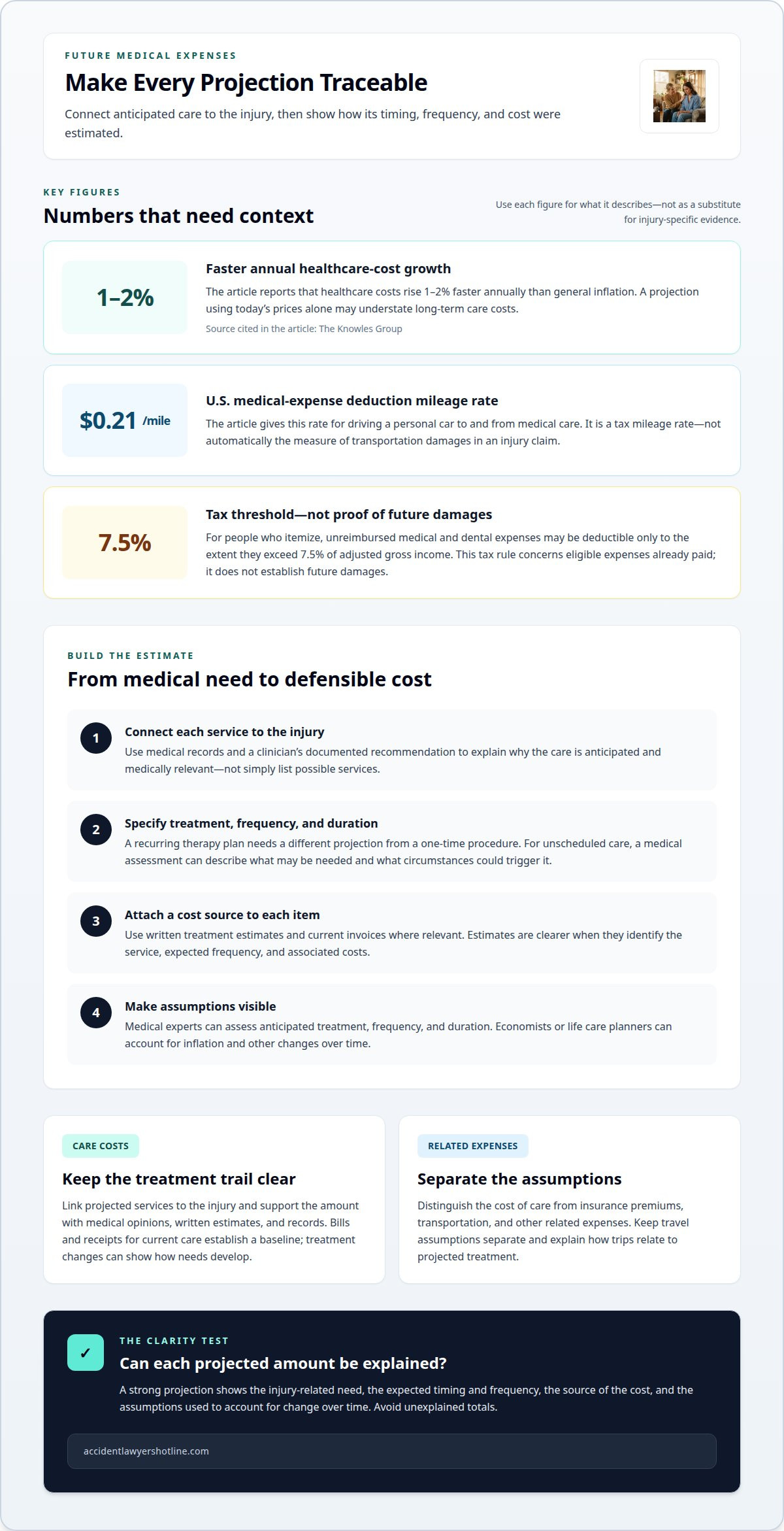
A high settlement offer can still leave an injured person short, while a low-looking offer needs to be weighed against the full claim. To decide how to respond to a low settlement offer, compare it with medical expenses, lost income, physical discomfort, emotional distress, property damage, disability accommodations, and other out-of-pocket costs. If treatment is ongoing, the full cost of the claim may not yet be clear.
It’s understandable to feel pressured when an insurer puts a number on the table, especially when bills and recovery already demand your attention. You don’t have to accept an offer simply because it has been made. This article explains how to assess whether it reflects your losses, what to include in a formal counteroffer, and how to handle deadlines and negotiation pressure without rushing into a decision.
Key Takeaways
- Judge an offer against the full picture of your losses, including medical expenses, missed income, and the impact of your injuries.
- If treatment is ongoing, consider whether your future costs and losses are clear before deciding to settle.
- A formal counteroffer can challenge faulty assumptions and support your position with relevant records and documentation.
- Take time to understand an insurer’s deadline and the terms of any proposed agreement before responding.
- A case evaluation can help clarify how an offer compares with your claim after a car, truck, motorcycle, or pedestrian accident.
What Is a Good Settlement Offer Anyway?
A good offer reflects the claim’s medical expenses, lost income, and other effects of the injury. Before signing, consider carefully whether the settlement addresses the full effects of the injury.
-
How a Lawyer Accounts for Medical Expenses and Lost Income
Ask a lawyer to compare the offer with documented medical expenses and income lost because of the injury. Medical bills show treatment costs, while employer records or pay statements can help establish missed income. For example, an offer that covers hospital care but ignores time away from work may not reflect the claim’s full financial impact. Don’t treat one bill as the whole picture.
-
How a Lawyer Considers Pain and Suffering
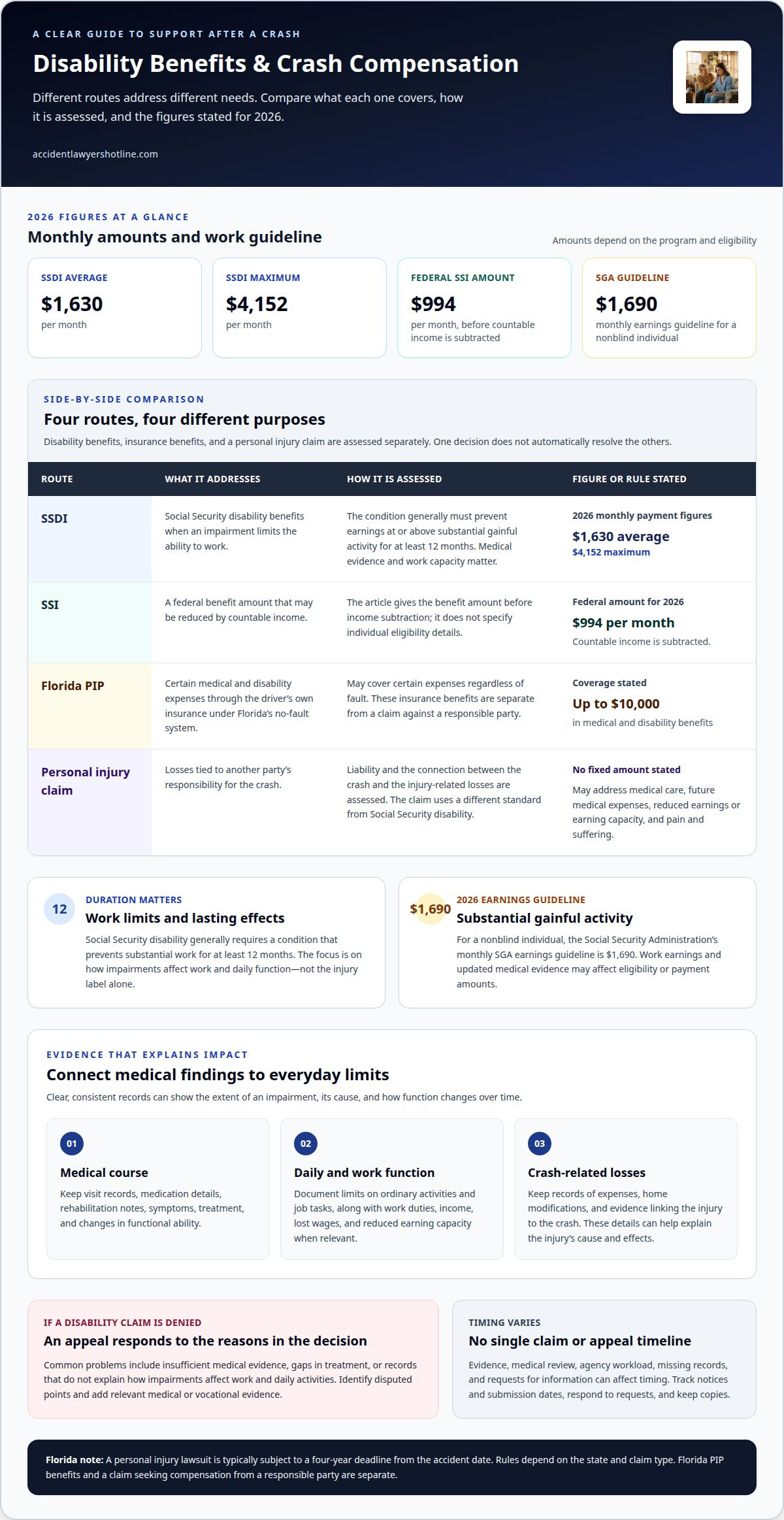
Ask the lawyer to assess how physical discomfort and emotional distress affect the claim alongside financial losses. Pain and suffering are not the same as a medical bill, so the review should consider the injury’s impact on daily life. For example, difficulty sleeping or returning to ordinary activities may help describe the burden. Keep the assessment grounded in the person’s actual experience, not a generic estimate or unsupported figure.
-
How a Lawyer Calculates a Fair Settlement Value
Have the lawyer organize the claim into documented financial losses and injury-related effects, then compare that picture with the insurer’s offer. Consider medical expenses, lost income, physical discomfort, emotional distress, property damage, disability accommodations, and other out-of-pocket expenses. A damaged vehicle and ongoing treatment represent different parts of the claim. A fair evaluation weighs them together instead of letting one prominent expense stand in for everything.
-
How a Lawyer Weighs Acceptance and Release Risks
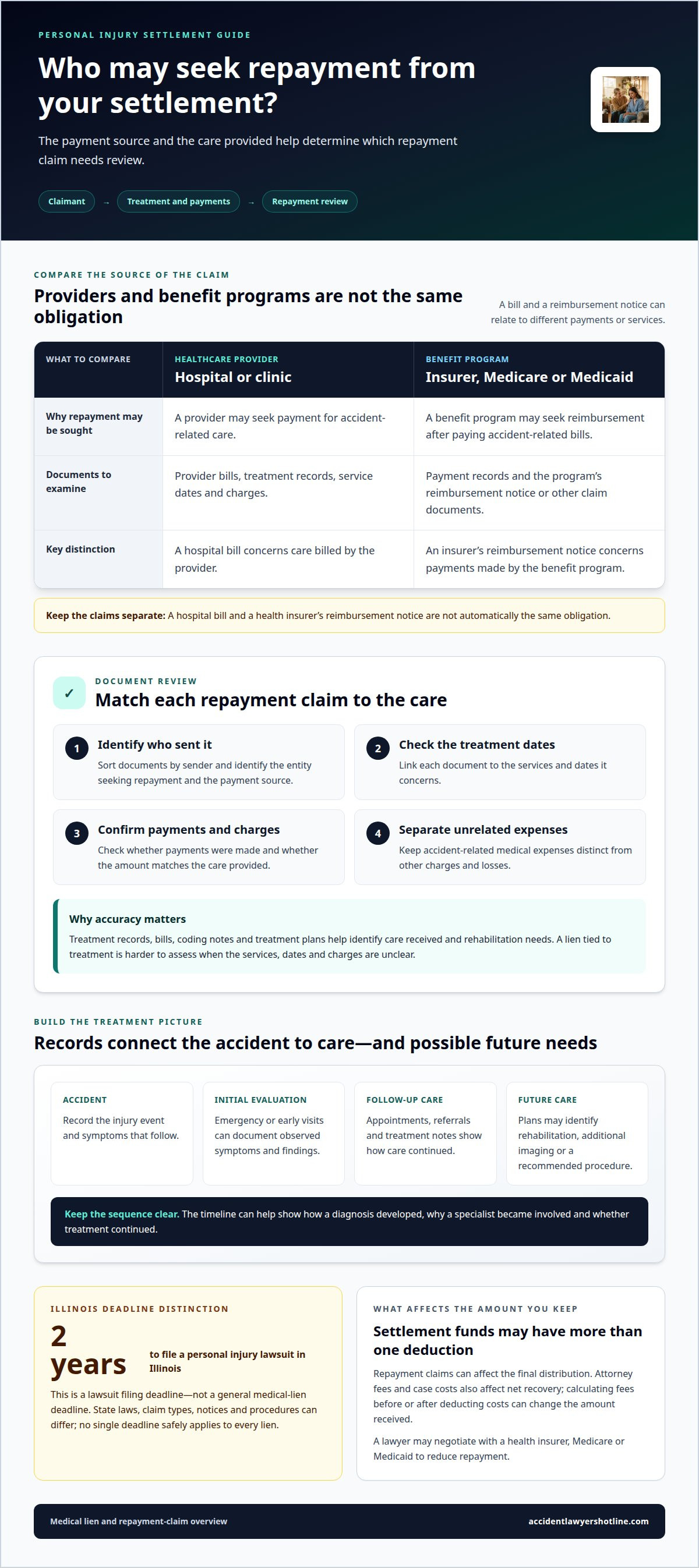
Before accepting an offer, ask the lawyer to review what the proposed settlement resolves and whether the claim’s costs are clear. Someone who has not finished healing may not yet know the full extent of medical bills, income loss, or non-economic damages. For example, ongoing treatment can make the final financial impact difficult to assess. Read the release carefully: signing the settlement agreement ends the opportunity to renegotiate it later.
- Include property damage, disability accommodations, and other out-of-pocket expenses in the lawyer’s review. These losses can be overlooked when medical bills and missed income first draw attention. For example, a claim may involve vehicle damage as well as costs connected to adapting daily activities. The lawyer can identify which documented losses belong in the overall assessment and compare them with what the offer addresses.
Responding with a formal counteroffer
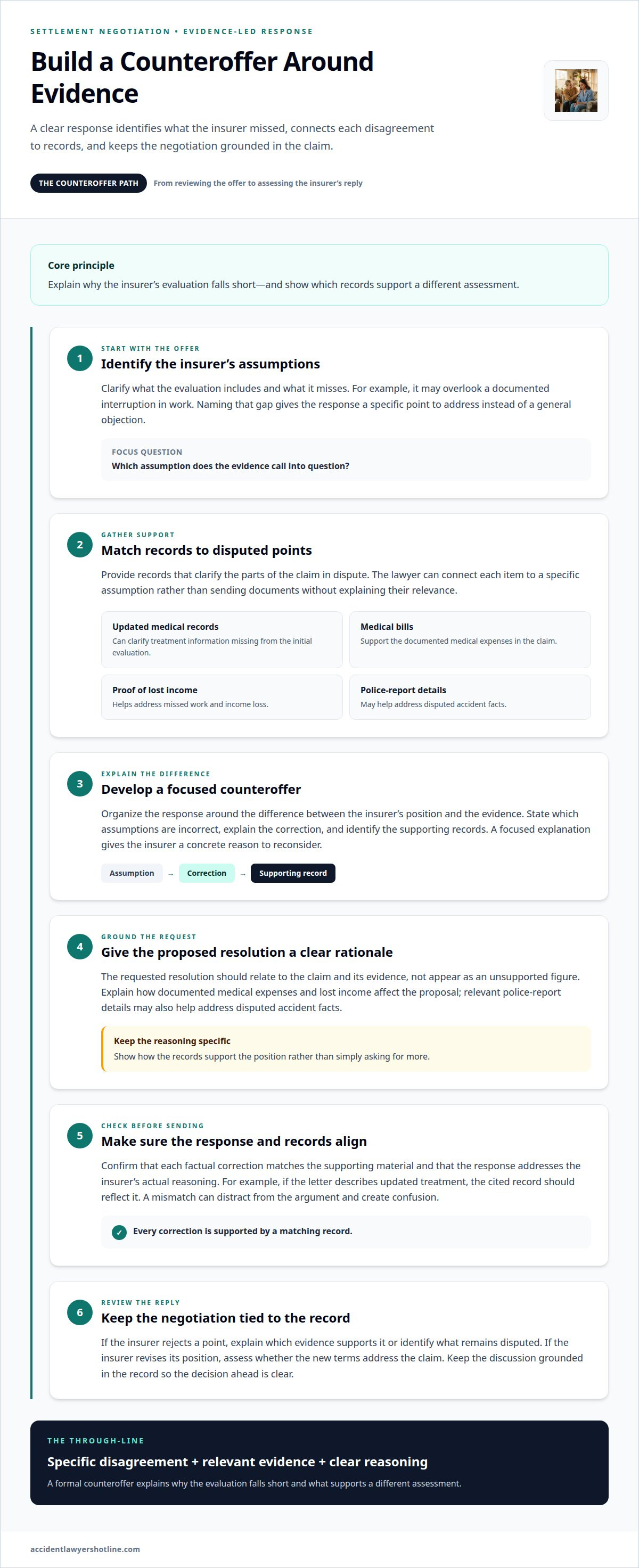
A formal counteroffer explains why the insurer’s evaluation falls short and what evidence supports a different assessment. A lawyer can shape the response around the records and specific points of disagreement.
- Ask the lawyer to identify the insurer’s assumptions before drafting a response. A clear process for how to respond to a low settlement offer starts with identifying what the offer includes and what it misses. For example, the evaluation may overlook a documented interruption in work. Naming that gap helps the lawyer explain the disagreement without relying on a general objection.
-
Evidence a Lawyer Uses to Support the Counteroffer
Give the lawyer records that address the disputed points. Relevant evidence may include updated medical records, medical bills, proof of lost income, and details from the police report. Each item can clarify a different part of the claim. The lawyer can connect each record to a specific assumption instead of sending documents without explaining their relevance. This makes the response easier to follow and assess.
-
How a Lawyer Develops the Counteroffer
Ask the lawyer to organize the counteroffer around the difference between the insurer’s position and the evidence. When deciding how to respond to a low settlement offer, the lawyer can state which assumptions are incorrect, explain the correction, and identify supporting records. For example, an updated medical record may clarify information missing from the initial evaluation. A focused explanation gives the insurer a concrete reason to reconsider.
- Work with the lawyer to ensure the requested resolution has a clear rationale. The amount should relate to the claim and evidence, not appear as an unsupported figure. The lawyer can explain how documented medical expenses and lost income affect the proposed counteroffer. Relevant police-report details may also help address disputed accident facts. Clear reasoning makes the request more persuasive than simply asking for more.
- Have the lawyer check that the response and records align before sending them. Confirm that each factual correction matches the supporting material. For example, if the letter describes updated treatment, the cited record should reflect it. A mismatch can distract from the argument and create confusion. The lawyer can also make sure the response addresses the insurer’s actual reasoning, rather than a point it did not raise.
- Keep the negotiation focused as the insurer replies. If the insurer rejects a point, the lawyer can explain which evidence supports it or identify what remains disputed. If the insurer revises its position, the lawyer can assess whether the new terms address the claim. This keeps the discussion grounded in the record and helps you understand the decision ahead.
A professional case evaluation can help clarify which issues and records may matter in an accident claim.
Settlement deadlines and pressure from insurers
Pay attention to the insurer’s stated response date, but remember that pressure alone doesn’t make an offer fair. A lawyer can clarify what the deadline applies to and whether the offer accounts for the claim.
- Ask the lawyer to identify exactly what the insurer’s deadline means. An offer may say it will remain open for a limited time, but that date is different from a legal deadline that may affect a claim. For example, ask whether the insurer expects acceptance, a counteroffer, or another response by that date. Keep the offer letter and related messages together.
- Ask the lawyer to request clarification in writing if the insurer’s terms or deadline are unclear. A dated written response can document what was requested and what the insurer said. For example, if a letter gives a response date but does not explain what happens afterward, the lawyer can ask whether the offer will expire or remain available. Don’t treat a verbal assurance as a substitute for clear written terms.
- Ask the lawyer to explain why the insurer may have valued the claim below expectations. The offer may reflect disputed facts, an assessment of the available evidence, or records that do not yet show the injury’s full impact. For example, an adjuster may rely on an incomplete treatment record. Identifying the specific gap helps focus the response instead of assuming the insurer’s reasoning.
- Have the lawyer compare the offer’s reasoning with the claim evidence before deciding how to respond. A low offer may result from an overlooked expense, an incorrect assumption, or disagreement about how the injury affected the claimant. The reason matters. If the insurer disputes a fact, the response can address it; if the records are incomplete, updated documentation may clarify the evaluation.
- Don’t treat a lawsuit as the end of negotiations. Settlement discussions may continue after a personal injury lawsuit is filed, and the lawyer can assess whether further negotiation makes sense. You are not obligated to accept the insurer’s offer. For example, an adjuster’s deadline does not, by itself, show that the amount fairly accounts for the claim.
- Ask the lawyer to track every stated date and explain the next step before it arrives. A clear timeline can distinguish the insurer’s requested response date from other deadlines relevant to the claim. For example, the lawyer can record when the offer was received, when clarification was requested, and what response remains due. This keeps negotiation decisions deliberate rather than driven by repeated calls or urgent messages.
Evaluating whether an offer is fair
Assess the offer against the documented claim, not the insurer’s figure alone. A useful review tests what the offer includes, what it leaves out, and how well each loss is supported.
- Ask the lawyer to create a side-by-side comparison of the offer and the losses it addresses. Separate medical expenses, lost income, property damage, and other out-of-pocket costs. Then identify physical discomfort, emotional distress, and disability accommodations that affect the claim. For example, an offer may cover treatment but omit income loss. That gap gives the review a specific issue to investigate.
- Match each claimed loss to supporting records. Medical bills can support treatment expenses, while income records can help show missed work. A police report may clarify accident details that affect the insurer’s evaluation. If a claimed expense lacks clear documentation, flag it for follow-up instead of treating it as established. This check distinguishes a disagreement about value from a missing-evidence problem.
- Review the insurer’s assumptions, not just the final amount. Ask which facts or records shaped its evaluation and whether they match the claim file. For example, an offer based on an incomplete medical record may not reflect later treatment. The lawyer can identify the specific assumption and compare it with updated documentation. The response is more focused when it addresses the reason for the gap.
- Consider whether the injury’s full effects can be assessed yet. If recovery is ongoing, future medical bills, income loss, or non-economic damages may remain uncertain. For example, ongoing appointments can change the picture of treatment needs. The lawyer can distinguish losses already documented from effects that still need evaluation. This helps prevent a current offer from being mistaken for a complete accounting of the claim.
- Weigh non-economic effects alongside bills and records. Physical discomfort and emotional distress do not appear as a single invoice, but they still belong in the overall assessment. Describe concrete effects, such as difficulty carrying out ordinary activities or changes to daily routines. The lawyer can connect those effects to the injury evidence and assess whether the insurer’s evaluation recognizes them.
- Ask the lawyer to explain what would make the offer acceptable or support a counteroffer. The reasoning should connect the claim’s documented losses, injury effects, and unresolved questions. For example, if property damage appears in the offer but disability accommodations do not, clarify how that omission affects the evaluation. A clear explanation gives you a basis for deciding whether further negotiation makes sense.
How Does a Lawyer Calculate a Fair Settlement Value for a Claim?
A lawyer assesses claim value based on documented losses and injury-related effects. This is an evaluation, not a single universal formula.
- Organize the claim into distinct categories before assessing its overall value. Separate medical expenses, lost income, property damage, disability accommodations, and other out-of-pocket expenses. Keep physical discomfort and emotional distress visible as separate effects. This structure helps the lawyer identify what the insurer’s figure addresses and where the evaluation may have gaps.
- Connect each financial loss to evidence. Match medical bills with treatment records and lost income with employer or pay records. Link property damage to relevant repair documentation, and identify records that support other expenses. For example, a bill without a clear connection to the accident may need context before it supports the calculation. The lawyer can distinguish documented costs from amounts that need more explanation.
- Assess whether treatment and recovery are far enough along to understand the claim. Ongoing care can change the picture of medical expenses and lost income. The lawyer considers which costs are documented and which effects remain unresolved. For example, someone still receiving treatment may not yet have a full account of how the injury affects work or everyday activities. Don’t mistake an early tally for the whole claim.
- Evaluate injury-related effects alongside financial records. Physical discomfort and emotional distress do not appear as ordinary bills, so the lawyer considers how the injury affects daily activities and routines. Concrete details matter. For example, difficulty completing familiar tasks can help explain how the injury affects life beyond treatment expenses. Keep this assessment grounded in the person’s actual experience and available supporting information.
- Review the insurer’s calculation category by category. The lawyer can compare the offer with the records and identify an omitted expense, an incorrect assumption, or an effect that received little attention. For example, if the insurer includes medical expenses but overlooks lost income, make that difference clear. This comparison shows whether the disagreement concerns the evidence, how losses were assessed, or both.
- Ask the lawyer to explain how each factor shapes the proposed claim value. A useful explanation identifies the losses considered, the evidence supporting them, and unresolved questions that could change the assessment. It should also show how the evaluation relates to the insurer’s offer. This gives you a reasoned basis for deciding whether to negotiate further, rather than relying on an unexplained total.
Accident Lawyers Hotline
Accident Lawyers Hotline helps injured people assess their options after an accident and connects them with experienced personal injury and motor vehicle accident attorneys. If an insurer’s offer leaves you unsure about your claim’s value or next step, a case evaluation can clarify the issues to discuss with an attorney. Evaluations are available for car, truck, motorcycle, and pedestrian accident cases. The review can put the offer, your losses, and supporting records into context so you can make a more informed decision about negotiation. It’s a practical next step if you need guidance weighing a settlement offer or preparing to discuss a counteroffer with an attorney.
Contact Accident Lawyers Hotline to discuss a case evaluation.
Make Your Next Move With Confidence
Turn uncertainty into a clear plan for your claim. If you’re deciding how to respond to a low settlement offer, focus on what you still need to understand before making a final choice. A focused conversation with an attorney can help you discuss the offer, your concerns, and the records that may matter. You don’t have to settle simply because an insurer has presented a figure.
Accident Lawyers Hotline offers car, truck, and motorcycle accident case evaluations. These evaluations can help you consider your options after an accident and prepare to discuss the settlement process with an attorney.
Take the next step at a pace that lets you make an informed decision. Contact Accident Lawyers Hotline to discuss your case evaluation and move forward with greater clarity.
Frequently Asked Questions
What Happens if You Don’t Accept a Settlement?
If you don’t accept, the offer does not resolve your claim, and you can discuss the next step with a lawyer. Negotiations may continue, including after a personal injury lawsuit is filed. The insurer may respond to a counteroffer or maintain its position. Keep the offer and any stated expiration date for review. Before signing a settlement agreement, understand that it is binding and cannot be renegotiated afterward.
What Can a Lawyer Say When Responding to a Low Settlement Offer?
A lawyer can explain why the offer doesn’t account for the claim and identify the facts supporting a different evaluation. For example, the response may address an inaccurate description of the accident or an assumption about treatment. It can point to specific records and ask the insurer to reconsider. A focused explanation keeps the discussion tied to evidence, not disagreement alone.
What Evidence Can a Lawyer Gather Before Making a Counteroffer?
A lawyer can use relevant medical bills, updated medical records, proof of lost income, and details from the police report. The evidence depends on what is disputed. For example, updated records may clarify treatment, while employer documentation can support a claimed interruption in work. The lawyer can organize these materials so each item relates to a particular fact or loss addressed in the counteroffer.
How Does a Lawyer Write a Settlement Counteroffer Letter?
A lawyer typically identifies the offer being answered, explains the disputed points, and supports the requested change with claim evidence. For example, the letter might correct a factual assumption and refer to the record that addresses it. The lawyer can state the counteroffer clearly and keep the explanation professional. Before sending it, the lawyer can confirm that the letter’s details match the supporting documents.
Should a Lawyer Reject a Low Offer or Negotiate with a Counteroffer?
A lawyer can recommend a counteroffer when the evidence supports continued negotiation, rather than accepting an amount that does not address the claim. You aren’t required to accept an offer. For example, if the insurer’s evaluation overlooks an item supported by records, the lawyer can explain the omission and request reconsideration. The choice depends on the offer’s terms, the evidence, and your priorities.
How Much Higher Should a Lawyer Make a Settlement Counteroffer?
A counteroffer should be based on the claim’s evidence, not an automatic percentage above the insurer’s offer. The lawyer can identify which losses or effects the offer does not address, then develop a supported amount for negotiation. For example, a documented expense missing from the insurer’s calculation may change the proposed figure. The amount should have a clear rationale the lawyer can explain.
What deadlines or legal rules apply to settlement offers in the United States?
There isn’t one response deadline that applies to every settlement offer across the United States. An insurer may state when its offer expires, while deadlines for filing a lawsuit are separate and can depend on the state and claim. Ask a lawyer to distinguish the dates in the offer from deadlines that affect the claim. Keep the written offer so its terms and dates can be reviewed.
When should you consult a lawyer about a low settlement offer?
Consult a lawyer before accepting an offer or signing a release, especially if the terms are unclear or treatment is ongoing. Legal guidance can also help if the insurer disputes important facts, gives a response date, or leaves a claimed loss out of its evaluation. For example, a lawyer can review whether the written terms match what you believe you’re accepting and explain your options.
Were You Injured in an Accident?
Get a free, confidential case evaluation. No upfront fees.
Get Free Case Evaluation